
Ffilm cerdd ‘Tu Draw’

Join the dyslecsia group to share information and discuss what is happening in Wales with dyslexia.
Llais Dyslecsia – Prosiect Creadigol Cymraeg i amlygu lleisiau plant sydd â dyslecsia

Today a video of the poem ‘Tu Draw’ (translated ‘Beyond’) was released, it was written by Welsh-language Children’s Laureate) Casi Wyn after creative workshops with inspiring 9-11 year old children. The purpose of the project is to raise awareness of dyslexia in Wales by bringing children with dyslexia together to share and give a platform to their […]
Tu Draw + Ffilm Ddogfen
Thank you to the inspiring children and their parents/guardians for being part of the project and the Arts Council of Wales Lottery fund for giving a voice to dyslexia.
Join the dyslecsia group to share information and discuss what is happening in Wales with dyslexia.
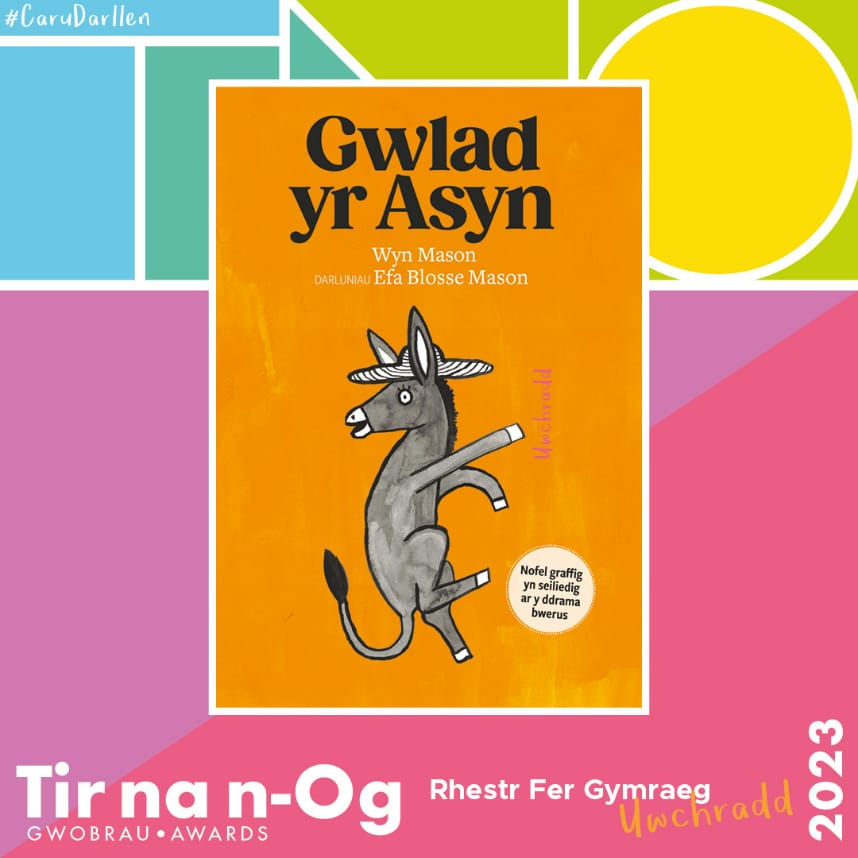
5 cwestiwn i awduron Gwobrau Tir na n-Og 2023: Rhestr uwchradd
Rhestr Fer #LLYF23 | #WBOTY23 Shortlist
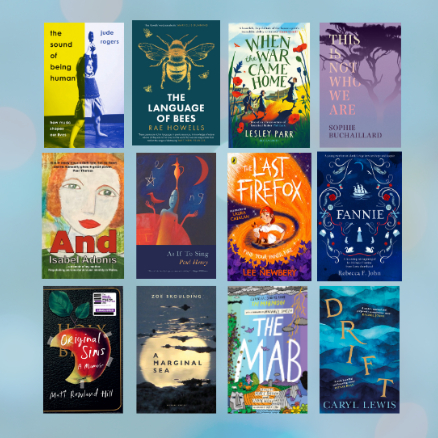
Discover who’s won #WBOTY23 below now!
Vulcana by Rebecca F. John
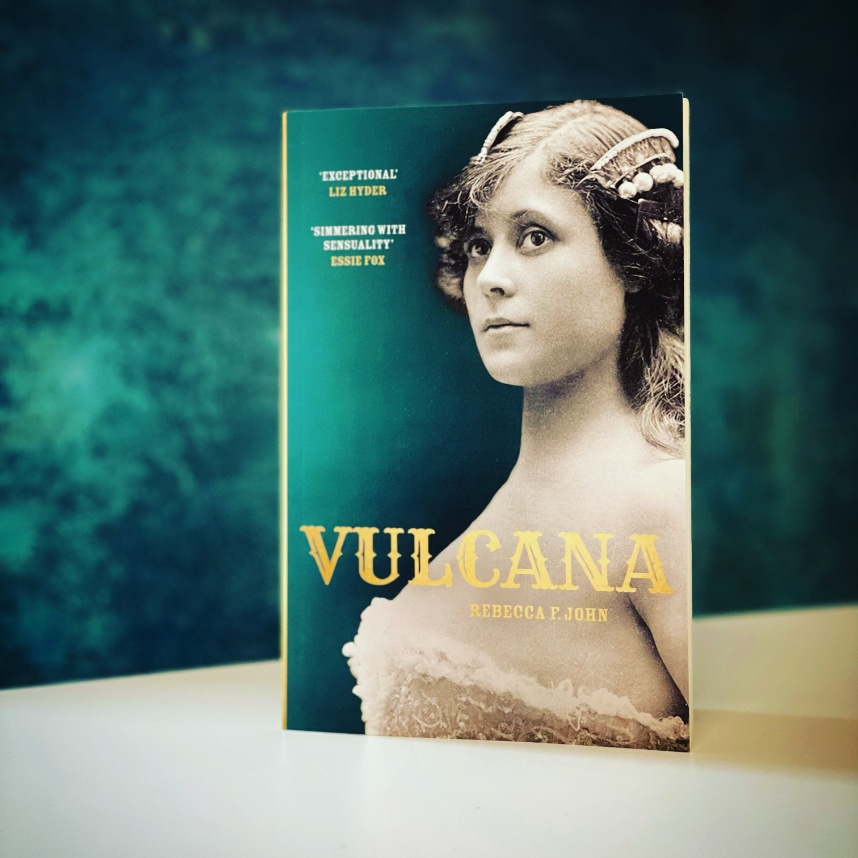
Vulcana by Rebecca F. John is our Book of the Month.
Pennod 10 – Llais Heledd
The Voice of Heledd
In this episode we discuss ‘Canu Heledd’, the medieval poetry which tells the story of a princess from the old kingdom of Powys who witnessed the death of her family and the destruction of her society. Rather than telling the story, these lyrical poems concentrate on Heledd’s emotional reaction. This is literature which treats loss, grief and longing in a painful and memorable way.
Here too is a rare female voice which is a counterpoint to the medieval bardic tradition’s overwhelmingly male character. We also note in passing that this powerful poetry has had a significant influence on the Welsh literature and music of the 20th century. And there is a discussion about the significance of a mutation which emphasizes – perhaps too much for Richard Wyn Jones! – that this kind of tiny grammatical detail can be key to the meaning and mood of a literary text.
10 Cwestiwn efo… Sioned Erin

Get your copy of ‘Rhyngom’ by Sioned Erin Hughes here
10 Cwestiwn efo… Gwenllian Ellis
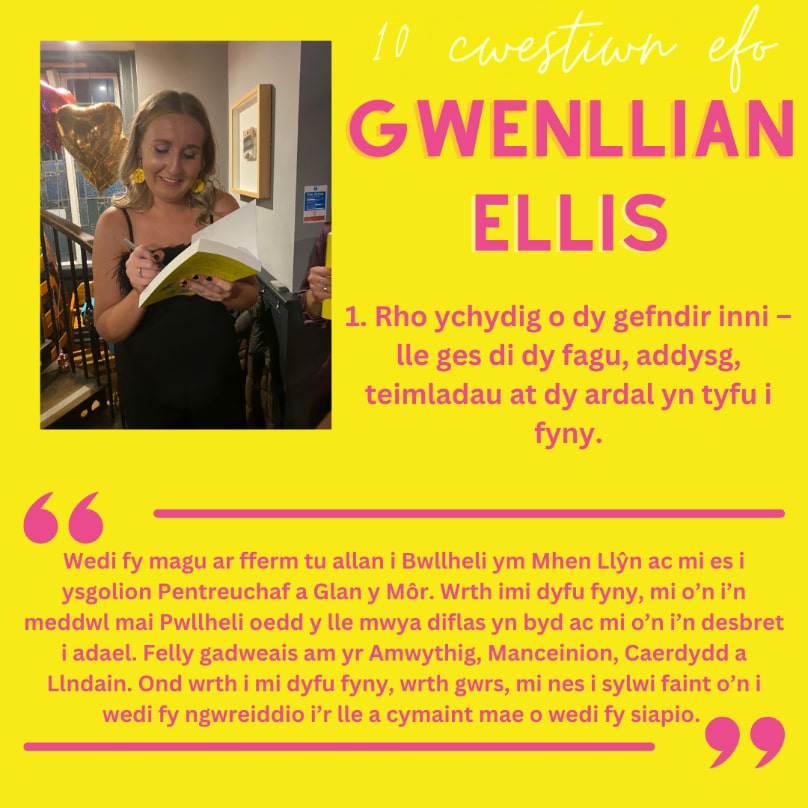
Buy your copy of ‘Sgen i’m Syniad: Snogs, Secs, Sens’ by Gwenllian Ellis here
Cip ar Gynnwys: Sêr y Nos yn Gwenu – Casia Wiliam
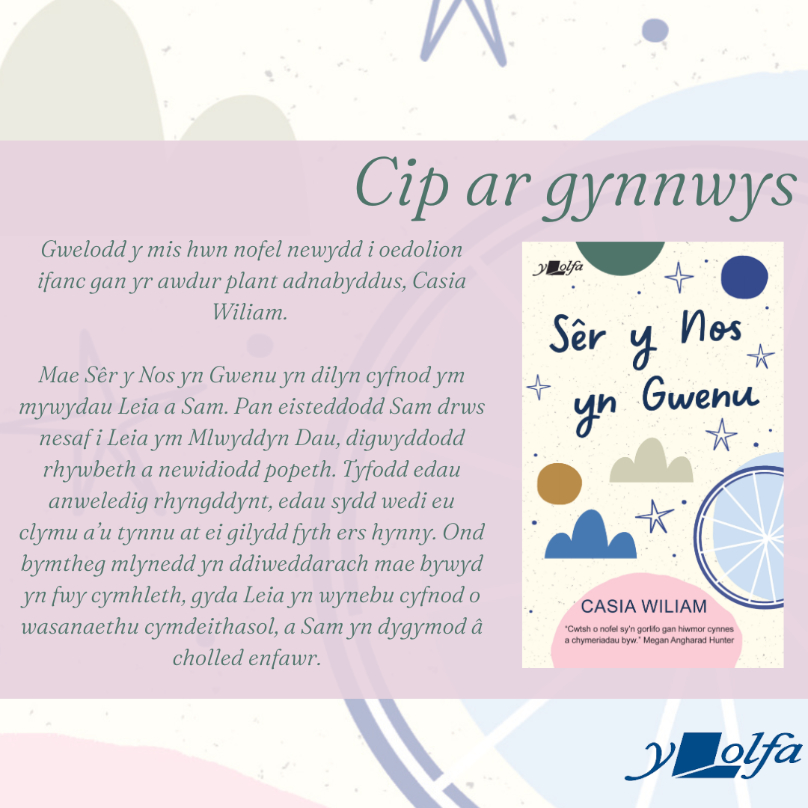
Get your copy of ‘Sêr y Nos yn Gwenu’ here!
Dod i adnabod awduron Gwobrau Tir na n-Og 2023: Rhestr gynradd
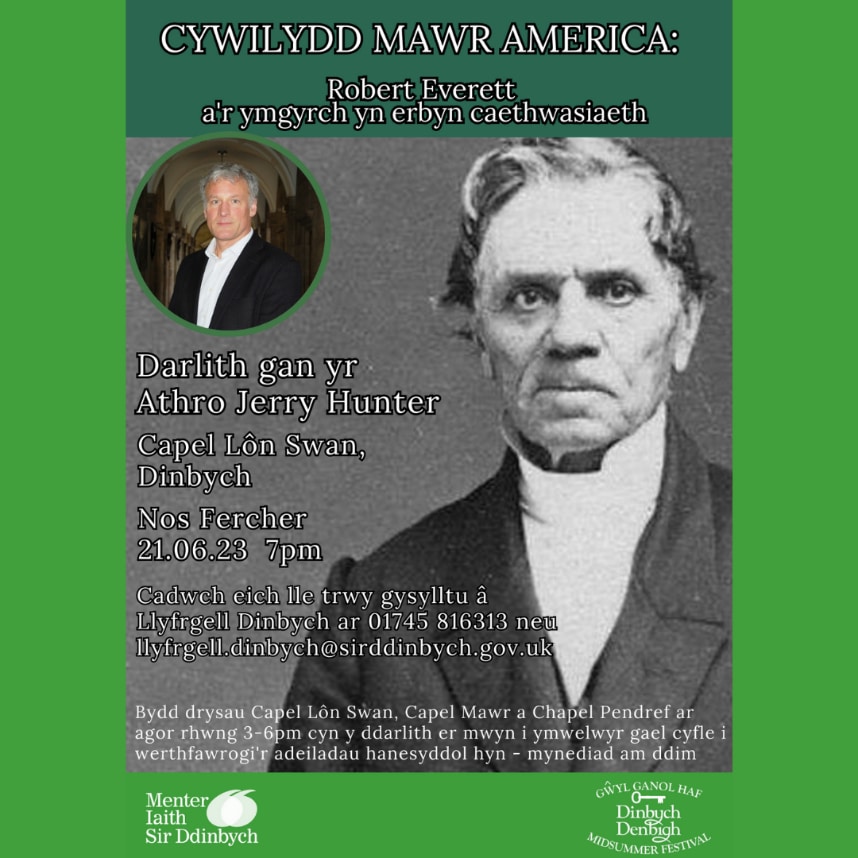
Cywilydd Mawr America – Robert Everett a’r ymgyrch yn erbyn caethwasiaeth
Chwadan Mewn Potel
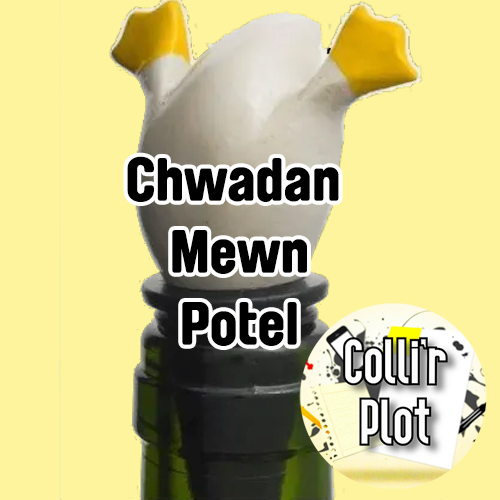
Bethan yn datgelu prosiect Chwadan Mewn Potel, pwysigrwydd llyfrau da ar ward mewn ysbyty, silff lyfrau (rhyfedd) Dafydd, a be mae pawb wedi bod yn sgwennu.
Llais Dyslecsia
Raising awareness of Dyslexia in Wales. Join the dyslecsia group to share information and discuss what is happening in Wales with dyslexia. Llais Dyslecsia In February 2023 a group of inspirational children with dyslexia came together to take part in a series of creative workshops with the producer Shari Llewelyn, Casi Wyn (Bardd Plant […]
Pennod 9 – Wyt ti’n cofio Macsen?
Do you remember Maxen?
In this episode we discuss the tale which informs the first verse of Dafydd Iwan’s popular song, ‘Yma o Hyd’ – the Dream of Maxen Wledig. Like that modern song, this medieval story offers a view of ancient history which is extremely significant in terms of Welsh identity. On one level, this is a love story, and the marriage between the emperor of Rome, Maxen, and a Welsh princess, Elen, brings together the political forces which they represent.
Rather than seeing them as oppressive foreign invaders, this tale takes pride in the connection with the Romans, portraying the marriage as a way of developing the Welsh/British kingdom. It also contains a surprisingly violent explanation for the linguistic link between the Welsh language and Breton.
Caru Darllen: Dyfan Lewis ac Elen Ifan
Sêr y Nos yn Gwenu gan Casia Wiliam
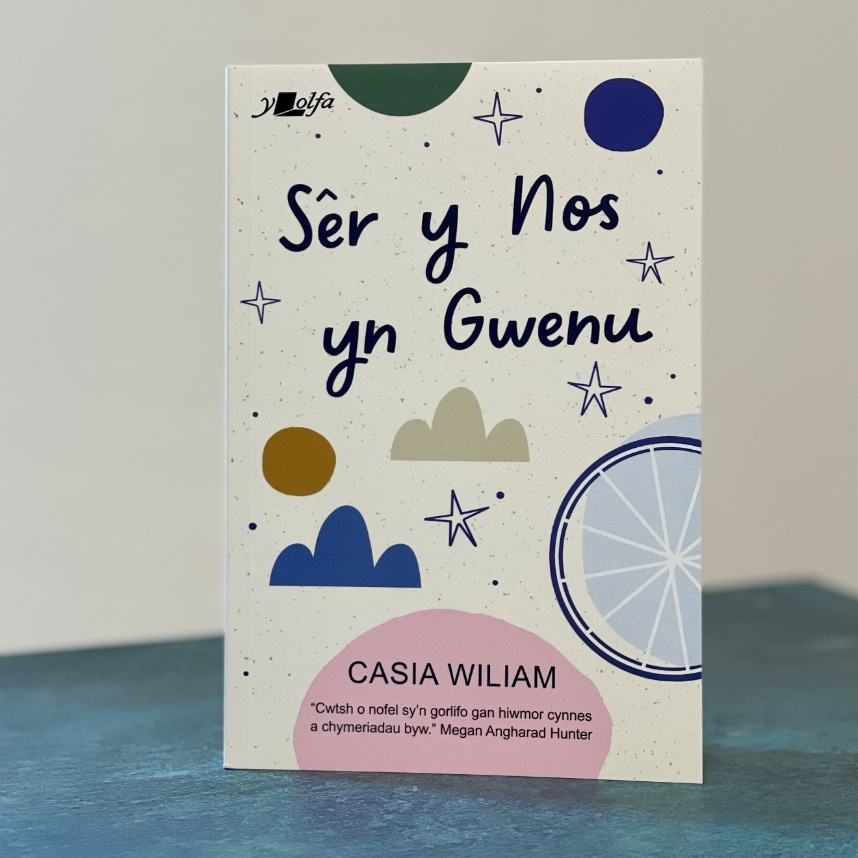
Ar gael nawr o`ch siop lyfrau leol.
Pennod 8 – Dau Frawd a Thair Gormes
Two Brothers and Three Invasions
The Tale of Lludd and Llefelys is under our microscope in this episode. Although it’s a very short tale, it’s a big story, and one which can be seen as a bridge between Welsh legendry and Welsh historiography. By looking fancifully at history, this text engages a theme central to Welsh identity, namely the fact that the Welsh are the descendants of the original inhabitants of the island before foreign nations invaded.
Lludd is king of Britain and his brother Llefelys marries the king of France’s daughter. But when three foreign invasions threaten Lludd’s rule, he has to take advantage of his brother’s wisdom. You’ll learn some of the story behind the Red Dragon on the Welsh flag and hear Richard Wyn Jones clown it up as he imagines the French Welshman Llefelys. You’ll also learn the meaning of cyfranc, the word describing the tale itself.
Salem gan Haf Llewelyn
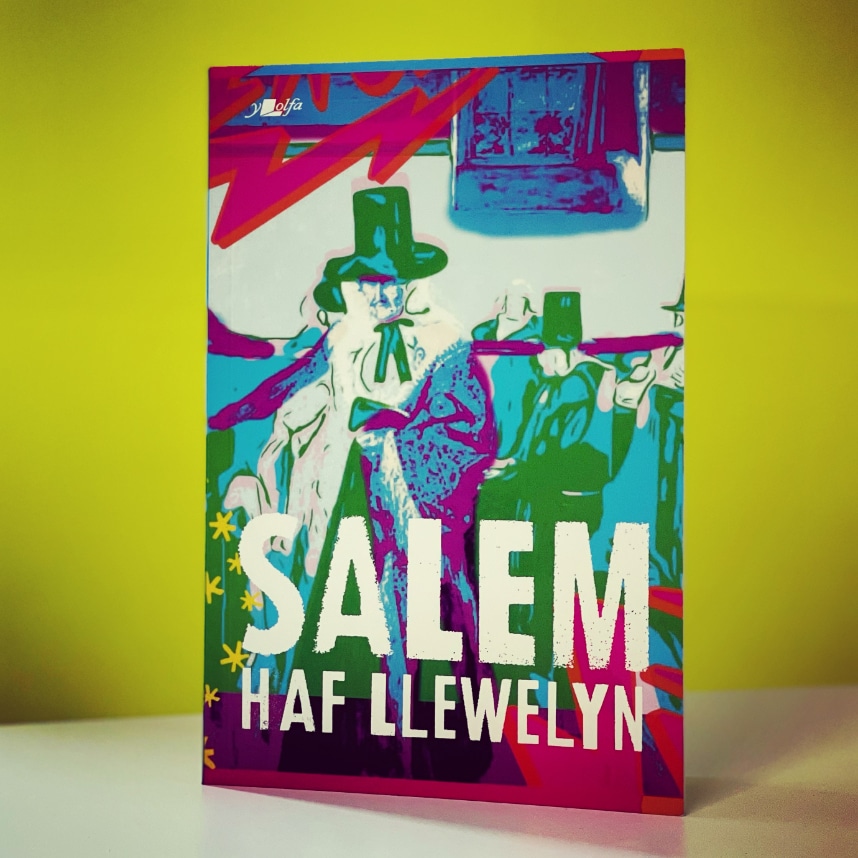
Dyma flas o’r bennod gyntaf. Ar gael nawr o’ch siop lyfrau leol.
Crank up the Volumes: Claire Fayers and Beatrice Wallbank
Joining Ilid Haf in this episode of Crank Up the Volumes are authors Claire Fayers and Beatrice Wallbank, to discuss re-imagining Welsh myths and legends.
Pennod 7 – Trafferthion Teuluol Math
Math’s Family Troubles
In this episode we discuss the last of the Four Branches of the Mabinogi, the tale ‘Math son of Mathonwy’.
We look at the ugly reality of medieval Wales and note that members of a Welsh prince’s own family were often as much of a threat to him as possible enemies beyond his borders. Despite all of the magic and fantasy in this story, we suggest that it’s possible to analyse it in the context of that ugly reality; Math son of Mathonwy is lord of Gwynedd, and members of his own court, his nephews Gwydion and Gilfaethwy, create considerable trouble for him.
This is a dark tale which examines the worst aspects of human experience, including gender-based violence. It is also in this branch that Llaw Gyffes and Blodeuwedd appear, characters who have inspired many generations, even though turning this violent tale into a children’s story is an incredibly difficult thing to do!
Cynrychioli Cymru / Representing Wales 2023
Literature Wales is delighted to announce the launch of the third round of our professional development programme for under-represented writers, this time with particular focus on writing for children and young people.
Representing Wales is a 12-month programme which provides development opportunities for writers currently under-represented in the literature sector in Wales. This will be the third time for the programme to run, and the first time for the theme of writing for children and young people to be placed at its forefront.
During the year, the cohort will hear from award-winning writers such as Patrice Lawrence, Caryl Lewis, Lee Newbery, Alex Wharton and Sue Cheung. Specialists on children and young people’s literature have also been invited to talk with the writers, such as Professor Charlotte Williams, Dr. Siwan Rosser, Dr. Ann Alston, Darren Chetty and representatives from Book Trust Cymru, as well as Wales-based publishers and the multi-award-winning inclusive publisher, Knights Of. They’ll also receive training on how to create an authentic author brand, build a freelance career, and work as a community and school practitioner.
More information about the programme here
JACK T CHARLES : Epic Soul

Hymnal by Julia Bell
Hymnal by Julia Bell is our Book of the Month.
Agor y Meddwl Cymreig: Simon Brooks a Huw L. Williams gyda Elin Haf Gruffydd Jones
Filmed from Amdani, Fachynlleth! 2023 by Culture Colony
Cloriau llyfrau gyda Siôn Tomos Owen
Rhifyn arbennig lle mae Aled yn trafod cloriau llyfrau gyda’r cyflwynydd, sgwenwr a dylunydd Siôn Tomos Owen.
Mae Siôn wedi creu cloriau ar gyfer nifer o awduron yn cynnwys Bethan a Dafydd ac mae’n obsessed gyda chloriau llyfrau.
Be sy’n neud clawr da? Lliwiau, fonts, delweddau a phob dim sy’n denu eich sylw at lyfr.
Pennod 6 – Manawydan a Seiliau Cymdeithas
We discuss the Third Branch of the Mabinogi in this episode, the tale of ‘Manawydan son of Llŷr’, a counterpoint to the other branches and a story with striking internal contrasts. Instead of big epic battles and heroic feats, this tale presents meditations on the foundations of society and the essence of civilization.
It is also essential for understanding that the Four Branches of the Mabinogi form a coherent whole. Following the apocalyptical war at the end of the Second Branch, we follow two of the survivors, Pryderi a Manawydan. When an enchantment falls on Dyfed, the two friends and their wives, Cigfa and Rhiannon, must learn to live anew, first by hunting, then by working as craftsmen, and, in the end by farming. Unlike Pryderi who always wants to draw his sword and solve problems in the old violent way, Manawydan wins in the end by reasoning, avoiding bloodshed and following the law. It is not external strength which makes Manawydan a hero, but rather his wisdom and his internal strength.
Samana – Leaving (PRS Live Sessions)
PRS For Music and SWND Records bring you another edition of PRS Live Sessions featuring Samana.
Filming & Editing by The Road Records
Recording & Mixing by StudiOwz
SWND Records: https://www.swndrecords.com
PRS For Music: https://www.prsformusic.com
Samana: https://www.samanaroad.com/samana-about
Poetry

163 Days Hannah Hodgson Hannah Hodgon is an award-winning poet and a palliative care patient. In her compelling debut collection 163 Days, she uses a panoply of medical, legal, and personal vocabularies to explore what illness, death and dying does to a person as both patient and witness. In ‘Aftercare’, Hannah navigates the worlds of […]
Fiction

This is Not Who We Are Sophie Buchaillard 1994, Iris and Victoria are pen friends. Iris writes about her life with her family in Paris. Victoria is in a refugee camp in Goma having fled the genocide in Rwanda in which thousands are being killed. One day Victoria’s letters stop, and Iris is told she has […]
Non-Fiction

Operation Violet Oak Stephen Glascoe This book concerns the contentious subject of historic child abuse. The author and publisher condemn child abuse as the most heinous of crimes, and have the utmost sympathy with those who have suffered it. Many of the people in this narrative have been anonymised, for their protection. The book asks […]
Pennod 5 – Chwedl Branwen
We suggest in this episode that it’s possible to read the Second Branch of the Mabinogi as radical social criticism. At the start of the tale of Branwen Daughter of Llŷr, the king of Ireland, Matholwch, comes to seek Branwen’s hand, thinking that the royal marriage will be the basis for a political alliance which can make both islands stronger. But instead of peace and prosperity, the union of Branwen and Matholwch ends up leading to an apocalyptical war which kills most of Ireland’s population and most of the soldiers in the great army which crosses the sea to save her. Is this text’s author trying to suggest that women shouldn’t be traded like goods and that dynastic marriages are full of danger? Another remarkable aspect of this wonderful literary work is the way in which we see two worlds at once, with Branwen’s brother, Bendigeidfran, both as ‘crowned king of this island’ – described as ‘The Island of the Mighty’ – and as a Welsh lord with his court in Harlech.
One takes us back to the legendary golden age before other nations took the Island from the ancestors of the Welsh, and the other allows us to read this story in a more direct Welsh context. We also suggest that the end of this branch is a literary treatment of the PTSD suffered by soldiers in the wake of war.
Modron Magazine Interview with Robert Minhinnick
Modron Magazine interview with two times Forward Prize winner & three times Wales Book of the Year winner Robert Minhinnick, speaking to Zoë Brigley, Kristian Evans, and Taz Rahman.
Funded by the Books Council Wales, Modron is a literary magazine in response to the ecological crisis the world faces today. Please visit the website to read the rest of the magazine and find out more about poetry and climate activism.
Join us online on Thursday 13th April for Seren First Thursday

Thursday 13th April from 7:30pm – online
Seren First Thursday is a monthly event series held on the first Thursday of every month. It now alternates monthly between taking place online and in person at Chapter Arts Centre in Cardiff. Each month, we welcome two guest authors to read from their recently published books, before opening the floor to our popular open mic which anyone is welcome to take part in.
This month we welcome poets Nerys Williams and Glyn Edwards to Zoom to read from their new collections Republic and In Orbit. Due to the Easter Bank Holiday, this month’s event is taking place a week later than usual on Thursday 13th April.
In her explosive new poetry collection Republic Nerys Williams opens a window on life in rural west Wales during the 1980s and 90s. English and Welsh-language post-punk bands, politics, feminism and family life are thrown together on the page as she questions what makes a republic?
In Orbit by Glyn Edwards is a sustained narrative of love, loss and longing. Using a variety of innovative forms, these poems explore grief and how we come to terms with losing someone close to us. The natural world offers sustenance and a new perspective in the face of intense emotions as a man struggles to come to terms with news of a beloved teacher’s death.
As usual our main readings will be followed by an open mic. Please email sarahjohnson@serenbooks.com to sign up in advance. Readers are asked to stick to one A4 page of poetry or prose so that we have time to get though everyone.
Tickets are £2 (plus admin fee) and available via Eventbrite here.
Accessibility: Captions will be provided through Otter.ai. Please email sarahjohnson@serenbooks.com if you have any further access needs we can help with.
Buy the Books:
Republic is available for £9.99 on the Seren website
In Orbit is available for £9.99 on the Seren website
On Being a Writer in Wales: Euron Griffith

I’m sure that being a writer in Wales is no different to being a writer in Sunderland. Or Whitstable. Or Outer Mongolia or, indeed, anywhere that writers sit down and scribble. Because the basics are the same. There’s a page that needs to be filled and once filled, it needs to make enough sense that […]
Seren authors at Hay Festival 2023
Friday 26th May – Monday 29th May
Catch Seren authors Nathan Munday and Julie Brominicks at this year’s Hay Festival. Taking place from Thursday 25th May – Sunday 4th June, Hay Festival is an annual literary festival held in Hay-on-Wye.
Seren Subscription

Become a Seren Subscriber and support independent publishing in Wales
The Seren Subscription service is the ideal way to support independent publishing in Wales. In the course of a year, subscribers receive 3 brand-new Seren books – one poetry, one fiction, and one non-fiction – plus a host of other exclusive perks. Gift subscriptions are also available to send to others
Coming Soon

New books publishing in April 2023
We’re publishing a range of exciting new titles this month. Browse all our forthcoming titles on our coming soon page.
2023 Tir na n-Og Awards
Fantasy, other worlds and alternative realities, myths and legends…we are delighted to share the English-language titles shortlisted for the 2023 Tir na n-Og Awards.
The Tir na n-Og Awards are the oldest awards for children’s literature in Wales and are held every year by the Books Council of Wales, sponsored by CILIP Cymru Wales. They celebrate the talents of authors and illustrators who either create original works in Welsh, or who write about authentically Welsh themes or backgrounds through the medium of English.
Here are the shortlisted English-language titles.
Gwobrau Tir na n-Og 2023
Pennod 4 – Chwedl Pwyll Pendefig Dyfed
In this episode we discuss the first of ‘The Four Branches of the Mabinogi’, the Tale of Pwyll, Lord of Dyfed.
Although Pwyll is ‘lord of the seven cantrefs (‘hundreds’ or ‘provinces’) of Dyfed, as the tale’s first sentence says, he doesn’t possess much wisdom. Indeed, while Pwyll is this character’s name, pwyll is also a common noun in Welsh, meaning ‘sense’, ‘intelligence’ or ‘wisdom’. It’s possible to read this tale as a story about how Pwyll comes to embody his name, how he learns to become a wise and good ruler. We see him acting in some very unwise ways, and other characters – Arawn, king of Annwfn and Rhiannon, Pwyll’s wife – need to help him. Rhiannon is among the most memorable characters of the Welsh literary tradition, a wise woman who speaks wittily and puts her unwise husband in his place when need be. Remembering this literary work’s direct historical context, Wales of the ‘Age of the Princes’, it is possible to read this tale as ‘a mirror for princes’, a text which offers lessons to future leaders.
Christine Pritchard (1942–2023)
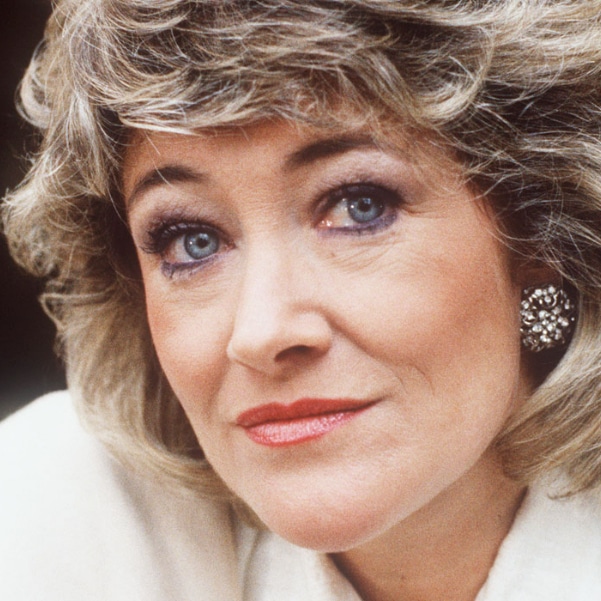
Actores a fu’n amlwg ar lwyfan, ar y radio ac ar y sgrîn fach gan ddisgleirio mewn trasiedïau a chomedïau a phopeth yn y canol rhyngddynt.
Stori’r Sianel – gormod o bwdin?

Bu ein hadolygydd yn gwylio Y Sŵn, ffilm am y modd yr enillwyd S4C a ddangoswyd mewn sinemâu yn ddiweddar – profiad cymysg, meddai.
Y Traeth o Dan y Stryd gan Hywel Griffiths
Pennod 3 – Y Chwedlau Brodorol
This episode considers The Mabinogion, but we have to explain first that this is not the best way of describing these medieval Welsh tales! It’s likely that William Owen Pughe (1759-1835) created the label, but it is because of the English translations published by Lady Charlotte Guest (1812-1895) that people all over the world came to refer to these tales as The Mabinogion. It’s thus a recent English tendency which has effected how Welsh speakers discuss this important body of their language’s literature!
There are 11 of these tales, but the word mabinogi only appears in four of them (and only once as mabinogion, and that word is a mistake, most likely). We prefer to describe them as ‘The Native Prose Tales’; although there is a great amount of medieval Welsh prose which has survived, most of it was translated from other languages. What makes this group of medieval stories special is the fact that they were written originally in the Welsh language. In them we have the products of the imagination of medieval Welsh storytellers. But is it right that we set them apart in this way? These tales are preserved in two manuscripts – The White Book of Rhyddech (c.1350) and The Red Book of Hergest (c.1400), and these important collections contain other types of medieval Welsh literature as well.
Chwedlau’r Copa Coch: Lladron y Deyrnas Goll gan Elidir Jones a Huw Aaron
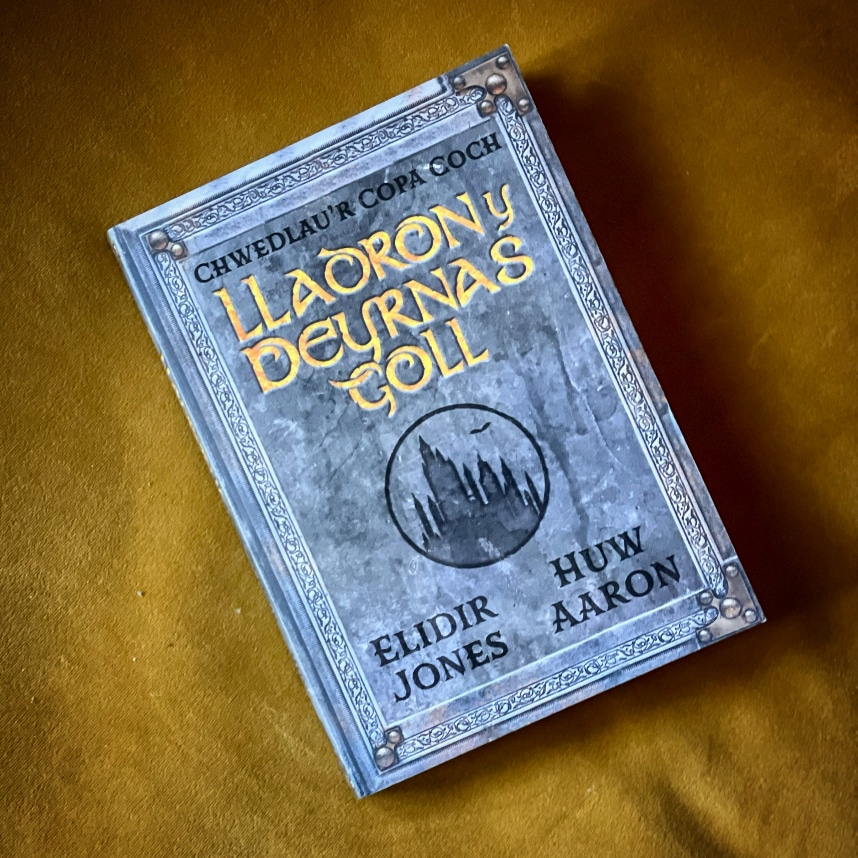
Chwedlau’r Copa Coch: Lladron y Deyrnas Goll gan Elidir Jones a Huw Aaron yw Llyfr y Mis i Blant.
Dyma’r bedwaredd nofel yn y gyfres ffantasi epig, Chwedlau’r Copa Coch. Mae arwyr y Copa Coch yn wynebu eu her fwyaf eto. Y tu ôl i res o fynyddoedd, mae gwlad yn cuddio sy’n llawn bwystfilod o bob math, byddin gyfan sydd am eu gwaed, ac arf sy’n peryglu’r byd.
Nofel i ddarllenwyr hen ac ifanc sy’n hoff o antur, trysor a dyfeisiadau gwyllt…
Dyma flas o’r gyfrol.
Louise Bretland-Treharne

My name is Louise Bretland-Treharne.
I grew up in a small village called Cribyn near Lampeter in Ceredigion. I now live in Johnstown on the outskirts of Carmarthen town. I am a writer, story teller and poet living with Ataxia and other medical conditions which involves cognitive changes. I am in recovery from womb cancer. My writing is based on many themes such as creating awareness on disabilities
I write on the themes of motherhood, animals and nature, grief and loss, landscape, humour, health and social care. I have a memoir which is currently being looked at by a publisher. My short stories and poems have been published in magazines, newspapers and on digital platforms on the national and international scene using the languages of Welsh and English.
Read a bilingual poem by Louise below.
Canmoliaeth, llyfrau clawr caled ac awgrymiadau gan “selebs”
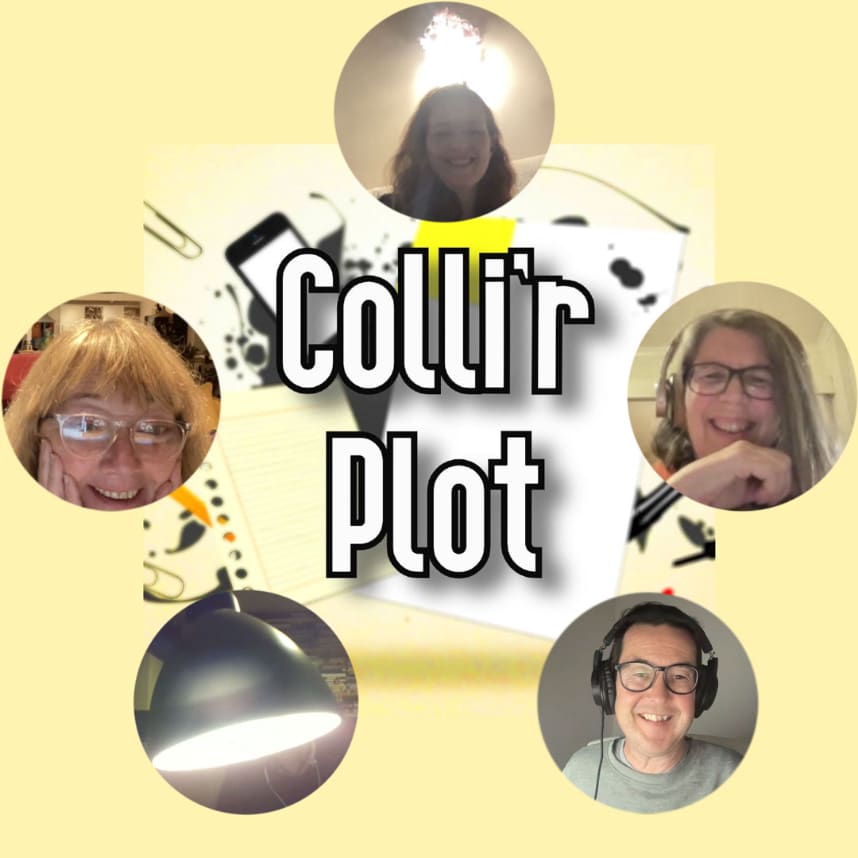
Canmoliaeth gan Dafydd, y broblem o ddarllen llyfrau clawr caled yn y gwely, awgrymiadau llyfrau gan “selebs”, a’r diffiniad Cymraeg o “puff piece”.