
Gwledd y Nadolig | Festive Reads
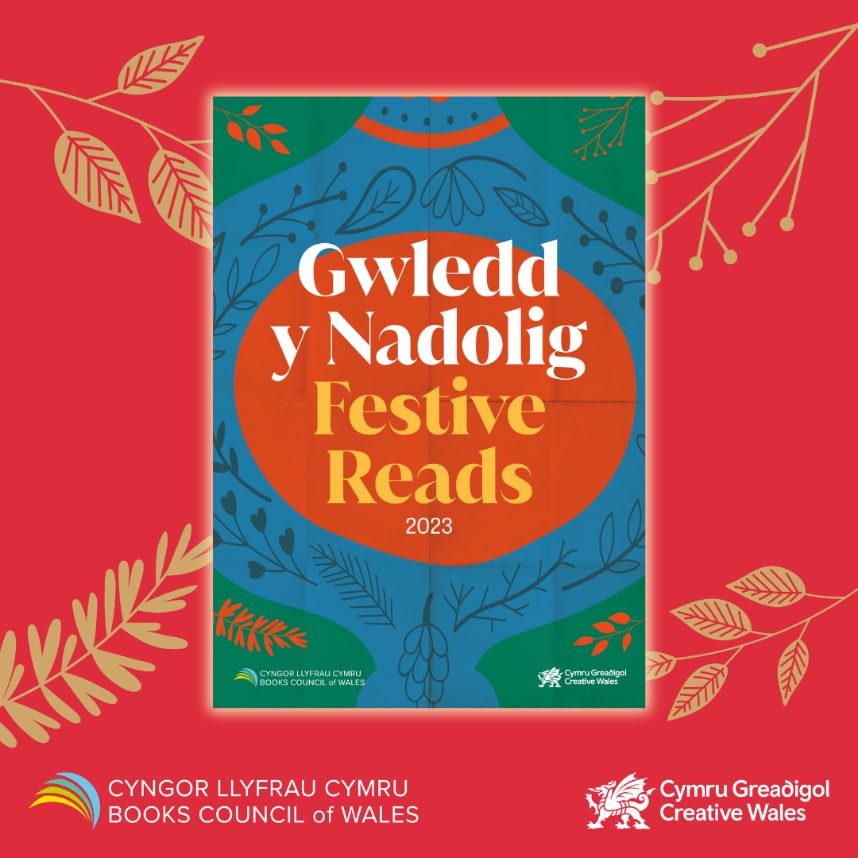
Looking for Christmas gifts?
Available now from your local bookshop, Festive Reads, a taste of the brilliant books from Wales out this winter.
Pick up your free copy from your local bookshop.
Find your local bookshop HERE.
Pennod 25 – Caru yn y Coed: Dafydd ap Gwilym (rhan 2)
Love in the Woods: Dafydd ap Gwilym ( part 2)
We continue to discuss the amazing freshness of Dafydd ap Gwilym’s poetry in this episode, emphasizing that the newness of his compositions is created out of traditional material to a certain extent. We consider some of Dafydd’s love poetry, beginning with ‘Morfudd like the sun’, before examining the way in which two themes, love and nature, are woved together in his work. We talk about the ‘tryst in the woods’ (oed yn y coed), with the poet meeting his lover in the world of nature far from the confines of society (and far from eiddig, ‘the jealous one’, when his lover happens to be a married woman!). Although we don’t answer this difficult question, we at least ask it: were the lovers so central to so many of Dafydd’s poems real women? You’ll also here about the llatai, the love messenger the poet commissions.
Pennod 25 – Caru yn y Coed: Dafydd ap Gwilym (rhan 2)
Love in the Woods: Dafydd ap Gwilym ( part 2)
We continue to discuss the amazing freshness of Dafydd ap Gwilym’s poetry in this episode, emphasizing that the newness of his compositions is created out of traditional material to a certain extent. We consider some of Dafydd’s love poetry, beginning with ‘Morfudd like the sun’, before examining the way in which two themes, love and nature, are woved together in his work. We talk about the ‘tryst in the woods’ (oed yn y coed), with the poet meeting his lover in the world of nature far from the confines of society (and far from eiddig, ‘the jealous one’, when his lover happens to be a married woman!). Although we don’t answer this difficult question, we at least ask it: were the lovers so central to so many of Dafydd’s poems real women? You’ll also here about the llatai, the love messenger the poet commissions.
Honno Welsh Women’s Classics
Honno acclaimed Welsh Women’s Classics series celebrates generations of Welsh women writers.
Learn more about some of the titles below and browse the full collection here
Honno Welsh Women’s Classics
Honno acclaimed Welsh Women’s Classics series celebrates generations of Welsh women writers.
Learn more about some of the titles below and browse the full collection here
Y Diweddaraf | New Releases
Lipstick Eyebrows – Various (Edited by Mari Ellis Dunning and Rebecca Parfitt) Prynwch yma | Get your copy here Bold and brilliant contemporary short stories from new and rising women authors from Wales Chosen for their contemporary edge in both setting and story, this collection reflects the lives of contemporary women of mixed age and […]
Y Diweddaraf | New Releases
Lipstick Eyebrows – Various (Edited by Mari Ellis Dunning and Rebecca Parfitt) Prynwch yma | Get your copy here Bold and brilliant contemporary short stories from new and rising women authors from Wales Chosen for their contemporary edge in both setting and story, this collection reflects the lives of contemporary women of mixed age and […]
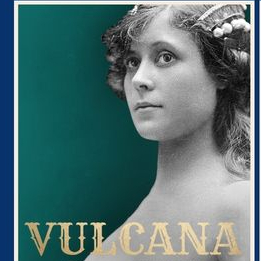
‘Vulcana’ Rebecca F. John in conversation with Elaine Canning
26 Oct, 18:00 – 19:00
Taliesin Create, Singleton Park, University, Sketty, Swansea SA2 8PP, UK
Published by Honno Welsh Women’s press in May 2023, Vulcana is a fictional telling of the real story of Victorian Kate Williams.
On a stormy winter’s night, 1892, Kate Williams, a Baptist Minister’s daughter, leaves her small Welsh hometown of Abergavenny and sets out for London with nothing more than a travel case and a wild plan: she is going to become a strongwoman.
But it is not only her ambition she is chasing. William Roberts, twelve years her senior and the leader of a troupe of strong men and women, has captured her imagination and her heart. In London, William reinvents Kate as ‘Vulcana – Most Beautiful Woman on Earth’, and himself as ‘Atlas’. Soon they are travelling around Britain and beyond, performing in theatres in France, Australia, Algiers.
As Vulcana’s star rises, however, so Altas’ fades, and Kate finds herself holding together both a troupe of performers and a family. But does she truly want fame and fortune? How can she reconcile being a mother with touring the world? Can she really be a voice for women and, in spite of expectation and convention, remain true to herself?
‘Beautifully written, thought-provoking & a touching love story.’ Tracy Rees
‘All the glamour and grit of music halls. A truly empathetic portrayal of a brave, independent young woman.’ Essie Fox
Rebecca F. John is the author of five books for adults – Clown’s Shoes, The Haunting of Henry Twist, The Empty Greatcoat, Fannie, and Vulcana. She has previously been shortlisted for the Sunday Times EFG Short Story Award, the Costa First Novel Award, and the Wales Book of the Year Award. In 2022, she published her first children’s book, a middle-grade novel called The Shadow Order, with Firefly Press. Rebecca lives in Swansea with her partner, their son, and their dogs. She loves walking, the sea, and reading about as many different worlds as possible.
Rebecca lives in Swansea with her partner, their son, and their dogs. She loves walking, the sea, and reading about as many different worlds as possible.
In partnership with Cover to Cover
Sian Collins with Tiding

28 Oct, 16:00 – 17:00
North Books, 4 Castle St, Hay-on-Wye, Hereford HR3 5DF, UK
During the Great Freeze of 1963, Eleanor O’Dowd, a middle-aged piano teacher, is found bludgeoned to death. As the freeze takes hold, there is a brutal reckoning for the residents of Glanmorfa, who are caught in the grip of an ancient curse. Or so it appears to the vicar’s daughter, Daphne Morgan, who finds herself engulfed in the currents of the adult world and mysteries far deeper than she expected in this chilling story about the power of imagination.
Set in the fictional Carmarthenshire town of Glanmorfa, Collins draws inspiration from her own childhood to craft a masterful tale exploring how children can sometimes become victims of adult power.
A coming-of-age murder mystery exploring death, the afterlife and memory.
Sian Collins with Tiding
28 Oct, 16:00 – 17:00
North Books, 4 Castle St, Hay-on-Wye, Hereford HR3 5DF, UK
During the Great Freeze of 1963, Eleanor O’Dowd, a middle-aged piano teacher, is found bludgeoned to death. As the freeze takes hold, there is a brutal reckoning for the residents of Glanmorfa, who are caught in the grip of an ancient curse. Or so it appears to the vicar’s daughter, Daphne Morgan, who finds herself engulfed in the currents of the adult world and mysteries far deeper than she expected in this chilling story about the power of imagination.
Set in the fictional Carmarthenshire town of Glanmorfa, Collins draws inspiration from her own childhood to craft a masterful tale exploring how children can sometimes become victims of adult power.
A coming-of-age murder mystery exploring death, the afterlife and memory.
Crow Face, Doll Face – Carly Holmes
Crow Face, Doll Face is out now on Honno – get your copy here!
Crow Face, Doll Face – Carly Holmes
Crow Face, Doll Face is out now on Honno – get your copy here!
Cymru & I – In partnership with Inclusive Journalism Cymru
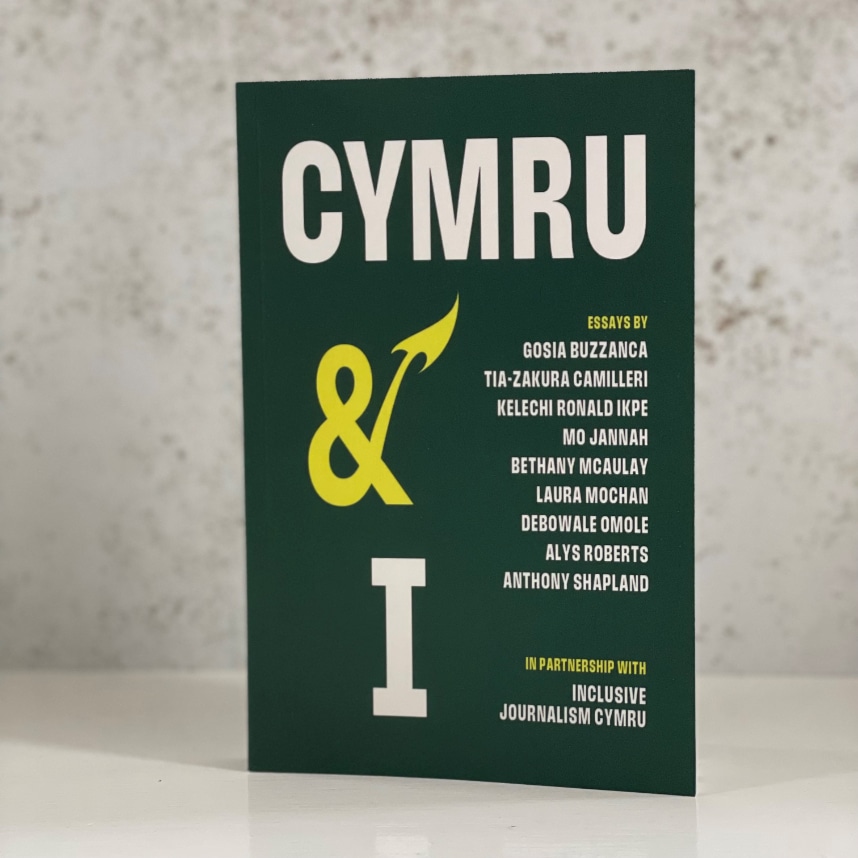
Cymru & I published by Seren Books, in partnership with Inclusive Journalism Cymru is our October Book of the Month.
In Cymru & I nine new writers look at what Wales means to them as people from backgrounds previously largely underrepresented. Their various viewpoints make this book a new look at Wales or show a Wales for the most part hidden: a Wales unwritten.
Here are essays on identity, integration, the power of language to welcome or divide, acceptance, personal aspiration, civic decline, and hill walking. Wales is the first official Nation of Sanctuary. Among the contributors are those who have sought sanctuary: immigrants – current and first or second generation – neurodivergent people, members of the LGBT community and of working-class communities.
Cymru and I is made of nine very human stories about Wales and the many different kinds of Welshness it encompasses.
The contributors are:
Gosia Buzzanca
Tia-zakura Camilleri
Kelechi Ronald Ikpe
Mo Jannah
Bethany Mcaulay
Laura Mochan
Debowale Omole
Alys Roberts
Anthony Shapland.
Cymru & I is available now from your local bookshop.
In Conversation with Carly Holmes

Thursday 12th October 2023
19:00 at Waterstones, Aberystwyth
Join us for the launch of Carly Holmes’ latest novel, Crow Face, Doll Face, published by Honno Press. Carly is an editor for local press Parthian Books and has previously joined us for an event for her bestselling gothic short story collection, Figurehead. Her latest book is full of strangeness and extraordinary twists, games and trickery. Perfect for anyone wanting to be swept up into a dark, magical read!
Carly will be interviewed by Honno, which will be followed by a Q&A and an opportunity for book signing. Tickets are £3 each which includes a drink on the night.
Unhappily married mother of four, Annie is drowning in domestic servitude. She often wonders what her life could have been had she not had children, but when her youngest daughters perform a seemingly impossible act of levitation, her life is touched with magic and she realises that her girls are truly special and that she must protect them. Eventually Annie musters the courage to leave the wreck of her marriage, but she commits a terrible, unthinkable, unmotherly act along the way.
Crow Face, Doll Face explores being forced to live with the consequences of the decisions we make and the fantasies we construct to soothe ourselves when the life we live falls far short of the life we planned.
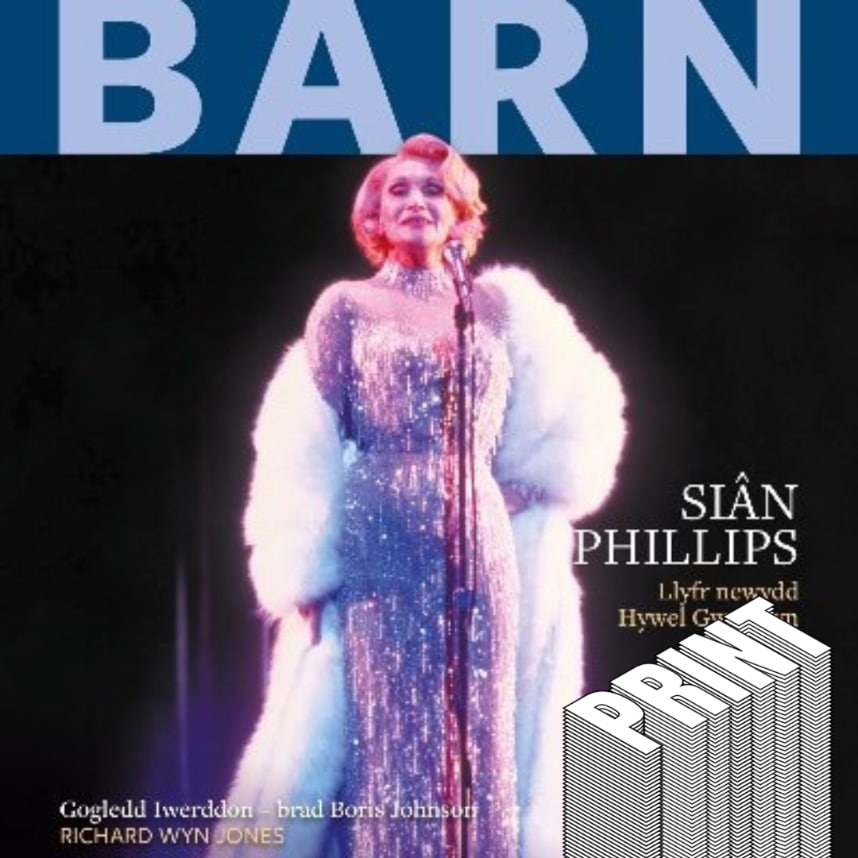
Gogledd Iwerddon a’r Undeb – pa ddyfodol?
Y Bysgodes – Cymdeithas Affrica Gogledd Cymru a Casia Wiliam
The Fish Princess by North Wales Africa Society and Casia Wiliam is our October Children’s Book of the Month.
During the summer of 2022, families from the North Wales Africa Society came together to talk about old stories and traditional tales from African countries and from Wales.
Welsh and African poets, storytellers and singers joined to share and teach. Slowly but surely, the story came to life. Author Casia Wiliam pulled it all together and got it down on paper, before entrusting illustrator Jac Jones with the drawings.
This is a brand-new story, that blends African (Ghanaian and Nigerian) and Welsh traditional folk tales.
Find out more about the process of creating the book here.
Y Bysgodes gan Gymdeithas Affrica Gogledd Cymru a Casia Wiliam
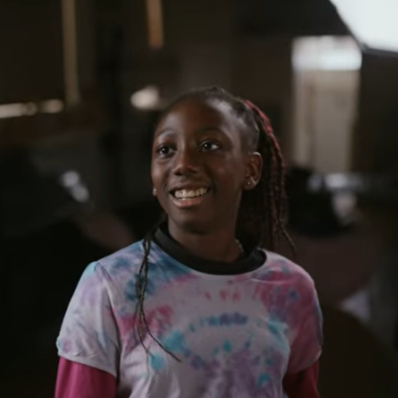
Lansiad The Fish Princess Launch
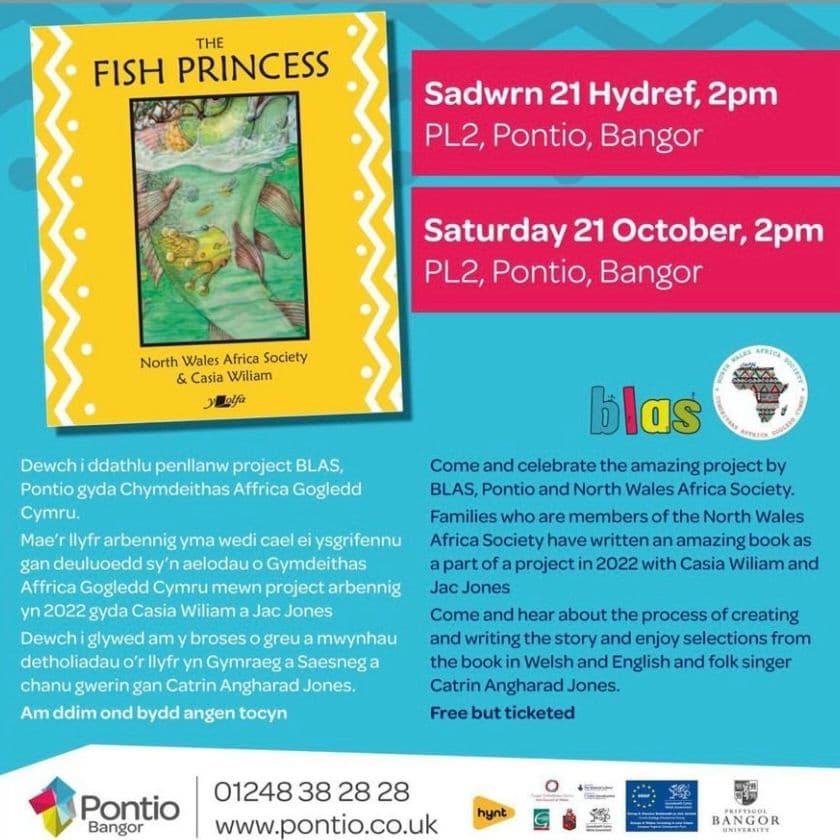
During the summer of 2022, families from the North Wales Africa Society came together on Saturdays to talk about old stories and traditional tales from African countries and from Wales. From the power of this sharing emerged The Fish Princess – a beautifully written book created by the families of the Society in workshops with writer Casia Wiliam, and delicately illustrated according to the children’s brief by artist Jac Jones, four-time winner of the Tir na N-og award.
The project was coordinated by the BLAS programme at Bangor’s Pontio Arts Centre, which has a long-standing relationship with the North Wales Africa Society. It was one of a number of activities which received funding from the Books Council of Wales’ New Audiences Grant in spring 2022. The Fish Princess is a revealing work of fiction that blends African (Ghanaian and Nigerian) and Welsh traditional folk tales. The core hope is that it will help facilitate the process of integrating Africans into Wales.
21/9, 14:00
Pennod 24 – Meddwi’n Niwrbwrch: Dafydd ap Gwilym (rhan 1)
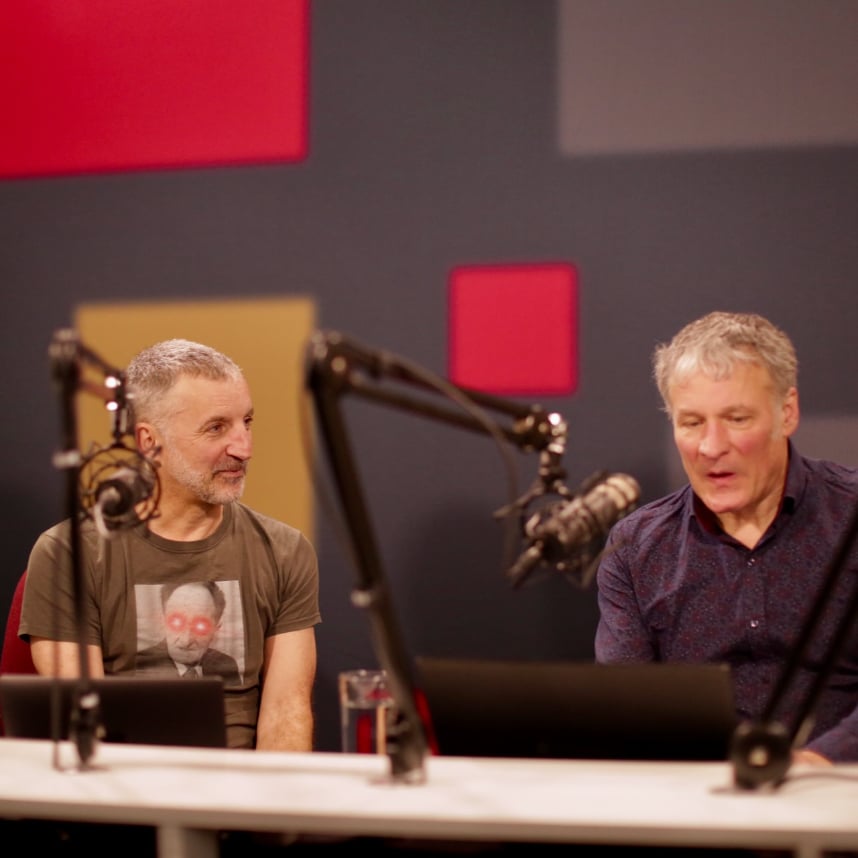
Drinking in Niwbwrch: Dafydd ap Gwilym (part 1)
We start discussing the most famous Welsh poet of the Middle Ages in this episode – Dafydd ap Gwilym.
The details of his life are not certain, but it is thought that he was born about the year 1315 and died about 1350, perhaps because of the Black Death. But it is certain that Dafydd’s life and work are part and parcel of the beginning of the age of the cywyddwyr – and thus you’ll also get some of the history of the cywydd metre in this episode. Dafydd ap Gwilym’s work signifies a new period in the history of Welsh literature in several ways, and it’s possible to suggest that he was ‘the right man yn the right place at the right time’, a talented and adventurous poet at a time when society was changing and poetic possibilities were opening up as a result.
He is remembered today mostly for his love and nature poetry (the subject of our next episode!). Centuries of Welsh people have taken to his freshness, ingenuity, his humour and his boldness, but we note that he was also a traditional poet in some ways, composing praise poetry and serious religious verse as well as the light and witty work which is connected with his name today. We look in detail at one of his poems, a song of praise to the town of Niwbwrch in Anglesey. This poem suggests that Dafydd ‘buried’ a lot of mead there – indeed, it was ‘Angelsey’s graveyard of mead’ according to his own words! – and this light-hearted cywydd also mentions drinking wine, beer and methgelyn (mead flavoured with herbs).
Cyfreithwyr a Chyfrolau’r Eisteddfod
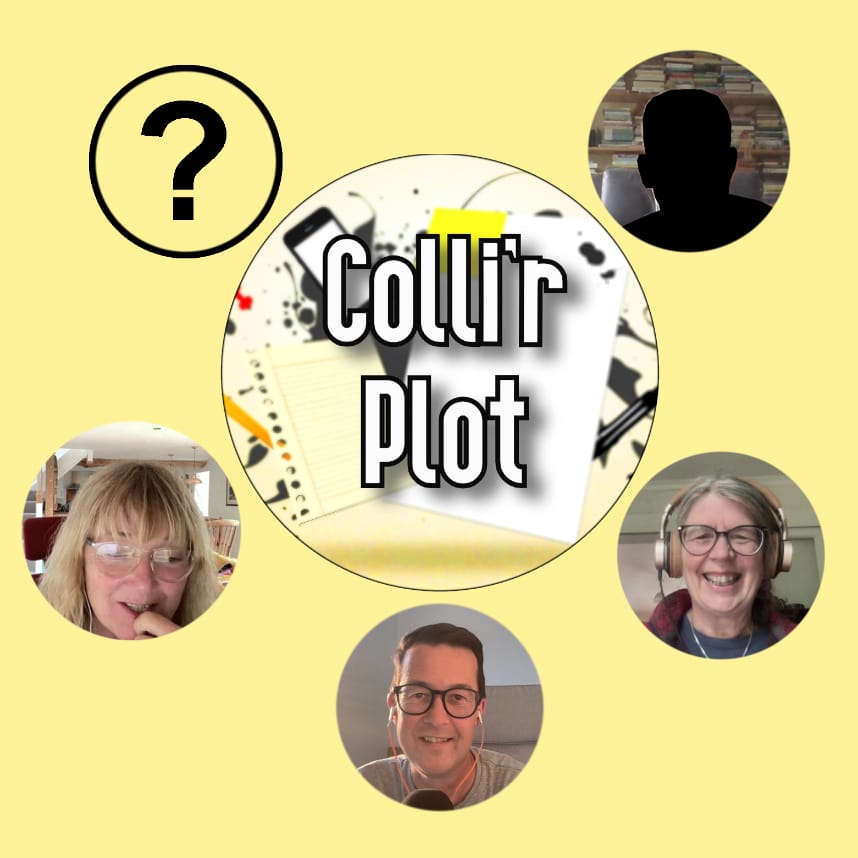
Be’ da ni’n meddwl o gyfrolau’r Eisteddfod, Hallt gan Meleri Wyn James a Gwynt Y Dwyrain gan Alun Ffred?
Mae ‘na lot o chwerthin, chydig o bethau dadleuol ac ambell i sgwrs ddwys.
Merched Peryglus gol. Angharad Tomos a Tamsin Cathan Davies
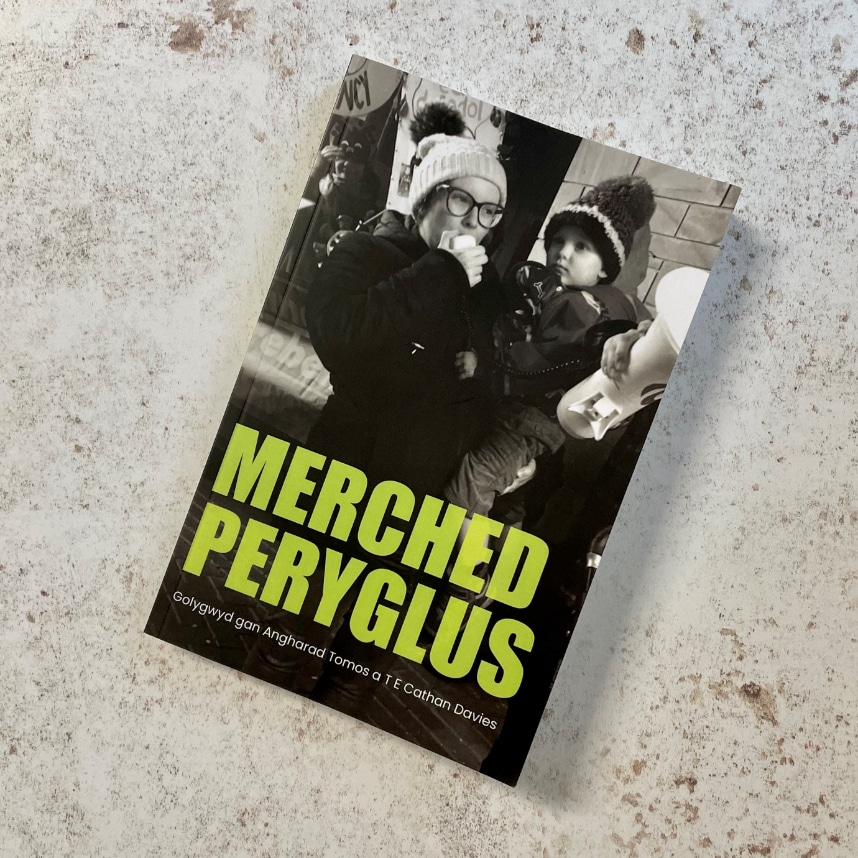
Merched Peryglus wedi ei olygu gan Angharad Tomos a Tamsin Cathan Davies yw Llyfr y Mis, mis Medi.
Hanesion merched sydd wedi ymgyrchu mewn pob math o ffyrdd gwahanol dros Gymdeithas yr Iaith ar hyd y blynyddoedd.
Gyda chyfraniadau gan
-
Meinir Ffransis
-
Branwen Niclas
-
Helen Prosser
-
Menna Machraeth
-
a Menna Elfyn
Dyma flas o’r gyfrol, profiadau Llinos Dafis a Rhiannon Parry.
Ar gael nawr o’ch siop lyfrau leol.
The Romani Holocaust or Porrajmos in Nazi Occupied and Fascist Europe, 1936 to 1945
Today, the Romani Cultural & Arts Company launches a new resource for secondary schools in Wales, about the Romani Holocaust or Porrajmos. The learning resource is the result of over a year’s work by a dedicated team of academics, artists, designers, and project managers, all of whom are from the Romani and Traveller communities. The Romani Holocaust, or Porrajmos as it is described in the Romani language (after it was coined as a term in the late 1990’s, by Dr Ian Hancock, Professor of Romani Linguistics at the University of Texas at Austin) was an episode in the genocidal relationship of non-Romani, and Romani people – the Sinti, Roma, Woonwagenbewoners, Manush, Gens de Voyage, Yenische, Ashkalé, Egyptian, Ijito, Getano, Quinqui, Mercheros, and other Romani groups in Nazi Germany and fascist occupied Europe, 1936 to 1945.
The learning resource is intended as a guide for educators, teaching assistants, and older pupils in schools in Wales, though it is also hoped that Gypsy, Roma, Traveller voluntary and Third Sector organisations will find it useful in work with young Romani and Traveller people in community environments, especially those that work with youngsters not in education, employment, or training (NEET). The resource is broad in its coverage of the themes surrounding the topic, including a shorter history of Gypsy, Roma, Traveller communities, the development of racialised ‘thinking’ about Gypsies, and the terrible illogic of eugenics that led to the Holocaust of Sinti, Roma, Manush, Gitano, and other Romani communities under Nazi control or that of their allies in Europe (such as fascist Spain). A special section about the least well-known and understood experiences in the countries of south east Europe, such as Bulgaria, Rumania, and Yugoslavia, is also included in the resource, as a topic that has been largely ignored, even if the knowledge about the Romani Holocaust itself has become better known over the last thirty years than was once the case.
The Department for Levelling Up, Housing, and Communities provided funding for this project, which was managed by Isaac Blake at the Romani Cultural & Arts Company and coordinated by Dr Adrian Marsh of the international Romani Studies Network (iRSN), himself of Welsh Gypsy and Traveller origins. Dr Marsh praised his fellow researchers, artists, designers, and editor for their invaluable work on this resource, saying,
“The Romani Holocaust or Porrajmos learning resource for secondary schools in Wales is an important step in bringing this much misunderstood, and little-known topic into the mainstream education environment. The key to this particular initiative is that those who worked on this, Dr Aleks Marinov, Imogen Bright Moon, Sion Dyfedd, Isaac Blake, and myself all bear a responsibility to those families of the Roma, Sinti and other Romani communities who perished, and those individuals who survived, through our own ‘witnessing’. It is our responsibility not just to bring the stories and sequence of events to a wider community, to ensure that more than just those working in this field in dusty archives and photographic libraries know what happened, but also to honour their memories and the spirits of those who died at the hands of racist, extremist, and fascist perpetrators. It’s also our honour to work in partnership with non-Romani researchers and academics, such as Dr Thomas Acton, Professor Emeritus in Romani Studies, as our eloquent editor, mentor, and life-long advocate for Romani and Traveller rights, to bring this essential learning resource to fruition.”
The ultimate aim of the resource is to raise awareness of the topic, to support those educators in bringing the topic into the mainstream learning environment, and to provide them with some tools, including lesson plans, to deliver the data from the best knowledge available. Romani Cultural & Arts Company hopes to be able to further support educators with training for them in the future, on how ot best use the resource, if funding becomes available. In the meantime, every school in Wales has a digital copy of the learning resource and additional copies can be downloaded from the Romani Cultural & Arts Company website. The lesson plan is embedded below.
Graffeg

Graffeg publish non-fiction illustrated books about food, art, music, culture and heritage, architecture, gardens, photography, sport and lifestyle and illustrated fiction for children.
Stones Stories, Norman Payne
These stories are inspired by Norman Payne’s site specific installation at Plas Bodfa. They are written and performed by Norman Payne as a mocumentary to accompany his installation.
Celtic Cuisine by Gilli Davies and Huw Jones
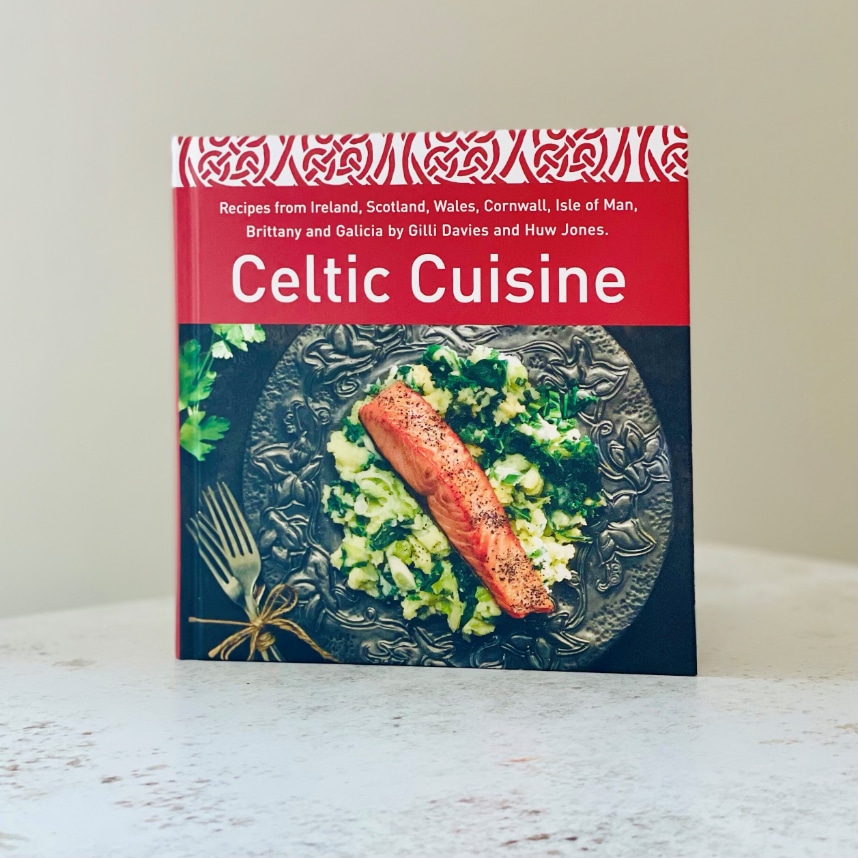
Celtic Cuisine by Gilli Davies and Huw Jones is our September Book of The Month.
This collection of Celtic recipes from Wales, Ireland, Scotland, Brittany, the Isle of Man, Cornwall, and Galicia covers a range of traditional dishes rooted in the Celtic past together with others that are at the forefront of modern cooking.
Here is a taste of one of the recipes featured in the book, Crêpe Bretonne.
Celtic Cuisine is available now from your local bookshop.
North Wales Africa Society
North Wales Africa Society (NWAS) is a friendship and community organisation based in Gwynedd, North Wales, UK. NWAS is a collective of members of the African diaspora community, and people who have interest in Africa.
Planet Magazine Showcase
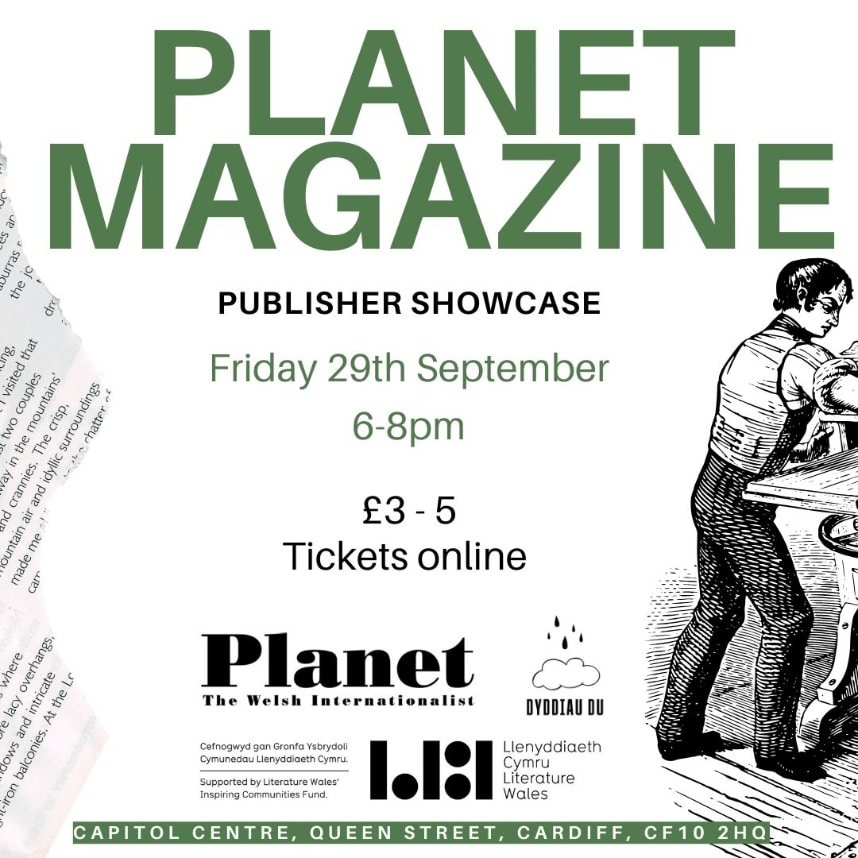
Learn about the history of Planet Magazine, meet the editor & hear readings from Taz Rahman and Katherine Stansfield at Dyddiau Du!
Friday 29th of September
6-8pm
Get your tickets here
CYMRU & I Book Launch (On Demand)

The ‘Cymru & I’ book launch from 23/9 is available to watch on demand now!
Learn more about ‘Cymru & I’ here!
Pennod 23 – Seintiau a Phechaduriaid

Saints and Sinners
Although we have mentioned the fact that the society of medieval Wales was thoroughly Christian, and although we have noted some religious aspects of some literary texts in passing, in this episode we concentrate on Christian literature – specifically, various traditions having to do with the Welsh saints. We note that the Welsh were fairly unique in their love of creating genealogies for the saints (a medieval manifestation of that ageless Welsh desire to ask to whom somebody is related, perhaps!). We discuss a popular narrative tradition as well, ‘Saints’ Lives’, biographies or the histories of their lives. We loo at the Life of St. David and discuss the role of literature in the development which made him the patron saint of Wales. You’ll hear the exciting story about a maiden named Gwenfrewi as she adopts a ‘high-risk strategy’ (according to Richard Wyn Jones) in order to try to escape from the nasty king, Caradog, and the history of the well which bears that saint’s name. We also consider the praise poetry to saints, and examine one awdl which elevates St. David above all of the other saints of the world.
Cyhoeddi Gyda Ni

Class: It’s Not What You Think
Diffwys Criafol explores how the chaos of class oppression inhibits diverse perspectives
My neurodivergence and writing by the rules
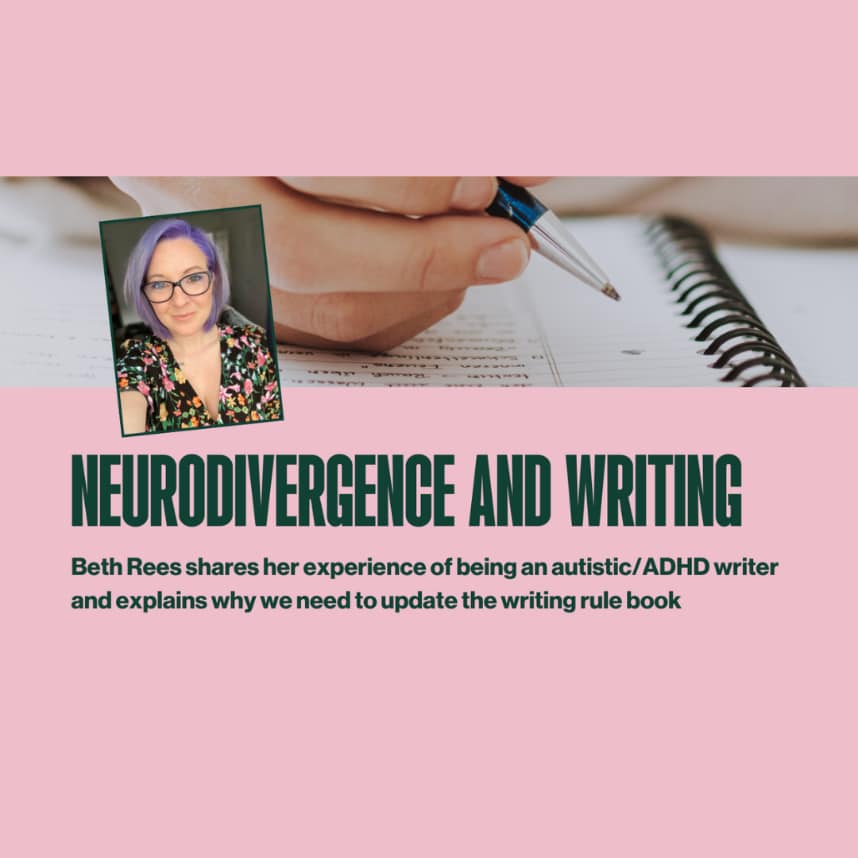
My neurodivergence and writing by the rules
Beth Rees shares her experience of being an autistic/ADHD writer and explains why we need to update the writing rule book
Navigating Disability in the Publishing Industry
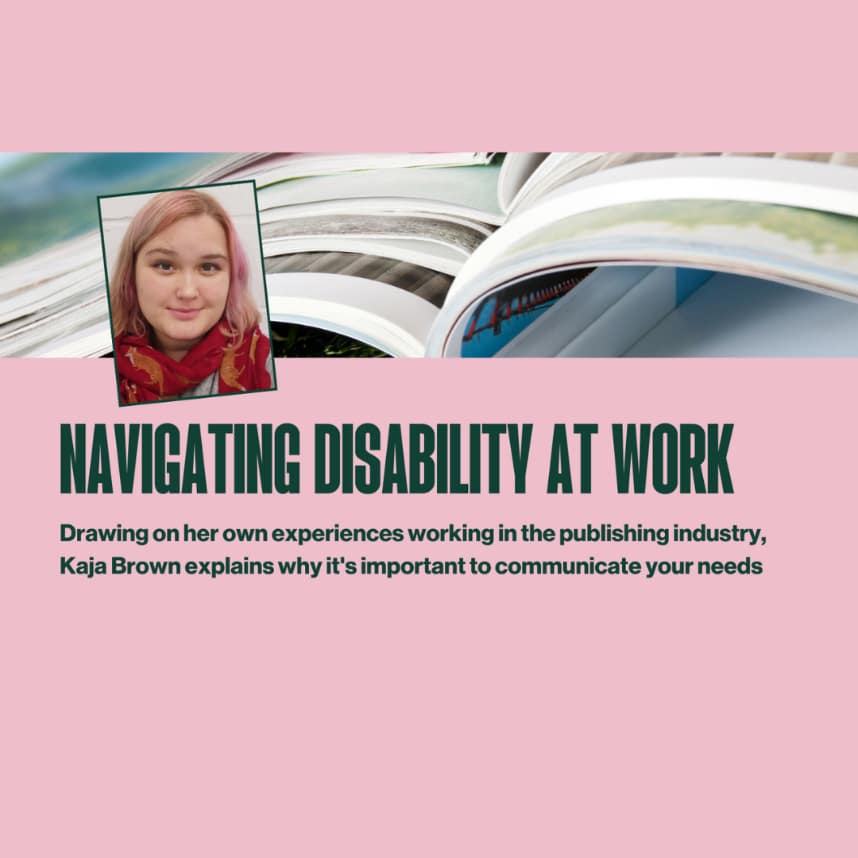
Drawing on her own experiences in the publishing industry, Kaja Brown explains why it’s important to communicate your needs
Maniffesto
1. Bwriadwn roi llwyfan i AMRYWIAETH llenyddol a chelfyddydol drwy gyfrwng y Gymraeg, gan ddatblygu ac ehangu ar ein canfyddiad o ystyr ‘amrywiaeth’. Byddwn yn barod i wynebu gwirioneddau anghyfforddus a rhoi clust i feirniadaeth sy’n anodd ei dderbyn; a defnyddio’r wybodaeth honno i dyfu a gwella hygyrchedd ein cyhoeddiadau i gyfranwyr a chynulleidfaoedd o […]
Call for Unpublished Gypsy, Roma and Traveller Writers in Wales
The Romani Cultural and Arts Company’s trailblazing new creative writing project ‘Gypsy Writers’ kicks off in September 2023, inviting applications from emerging Gypsy, Roma and Traveller writers currently living in Wales. The Romani Cultural and Arts Company has gratefully received £30,000 from the Book Council of Wales to develop this ground-breaking literary project, which will […]
Journalism, J.Lo – And What My Parents Did When I Was 14
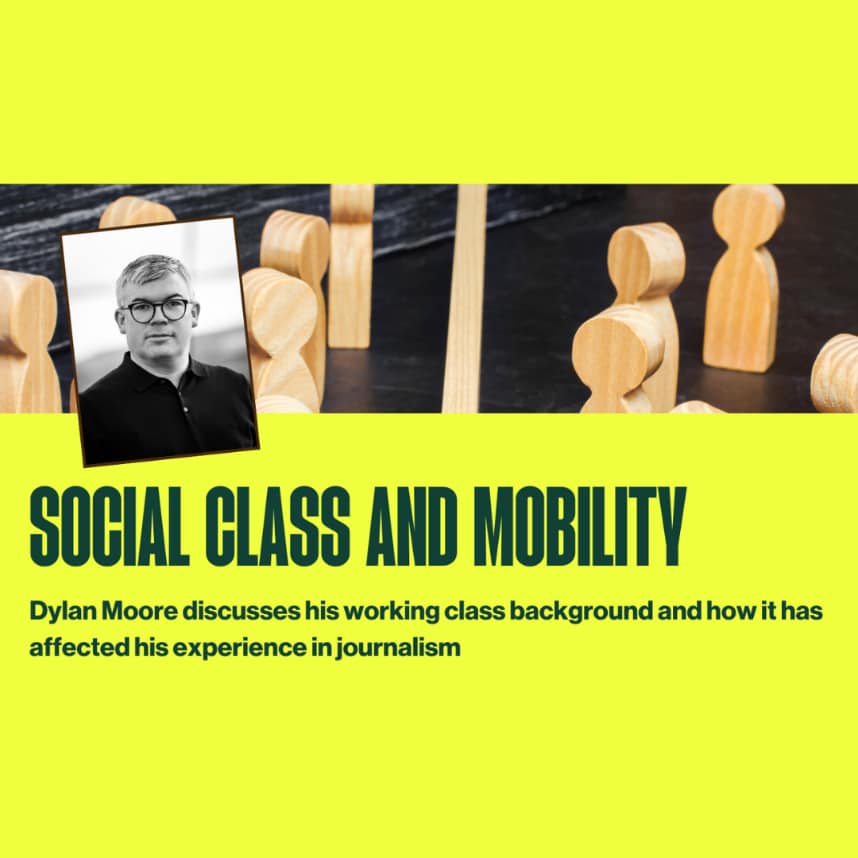
Dylan Moore discusses his working class background and how it has affected his experience in journalism
Let Trans People Speak

Cheryl Morgan on why trans people desperately need their voices to be heard in our media
April’s Garden by Isla McGuckin
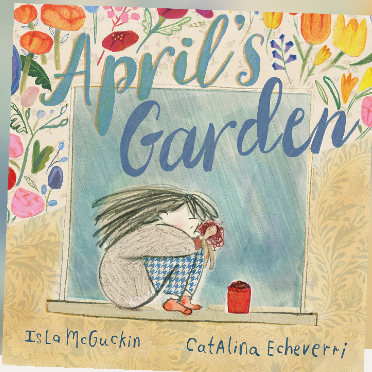
April’s Garden by Isla McGuckin, illustrated by Catalina Echeverri, is our Children’s Book of the Month.
nawr 010: Growing Up
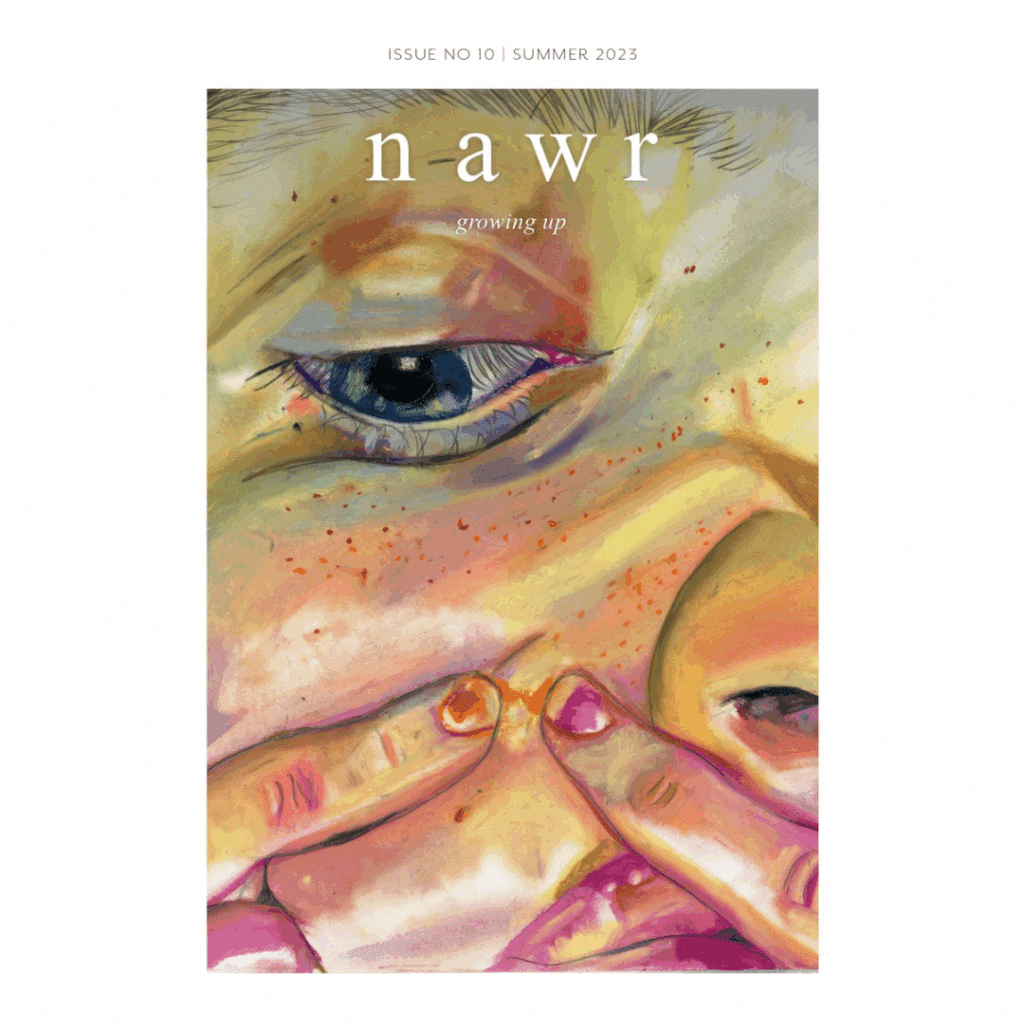
In our tenth issue, we asked our contributors to respond to the theme of Growing Up. This is our last online issue before we move to print, and we wanted to reflect on what it means to move away from one state and into another, and think about what that means to our contributors.
Read Here!
nawr 009: Resources Of Hope
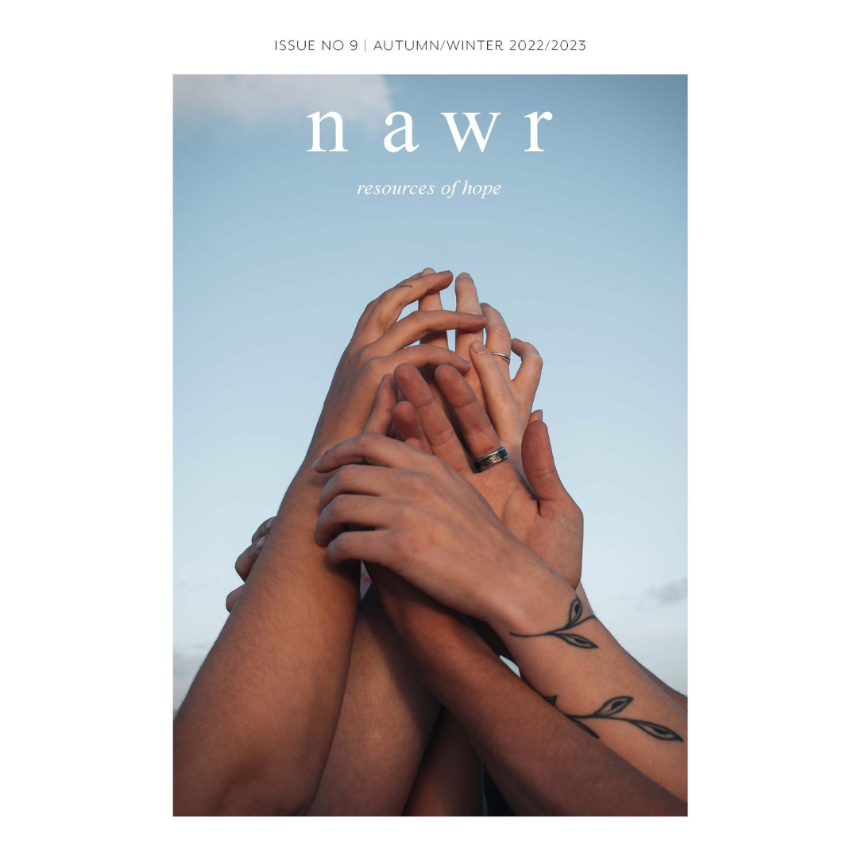
ISSUE 009: RESOURCES OF HOPE In 1989, Verso published a collection of Raymond Williams’s essays entitled ‘Resources of Hope’. In this issue, our contributors respond to Raymond’s vision, conceptualising where we might look for resources of hope in the current climate. Our featured artist in this issue is Darren Chetty, one of the co-editors of Welsh (Plural), who kindly gave his time to speak with us in late 2022. Thanks for supporting us once again in bringing you the best new work from Welsh artists.
Released Spring/Summer 2023
Read here!
nawr 008: Cofio/Anghofio
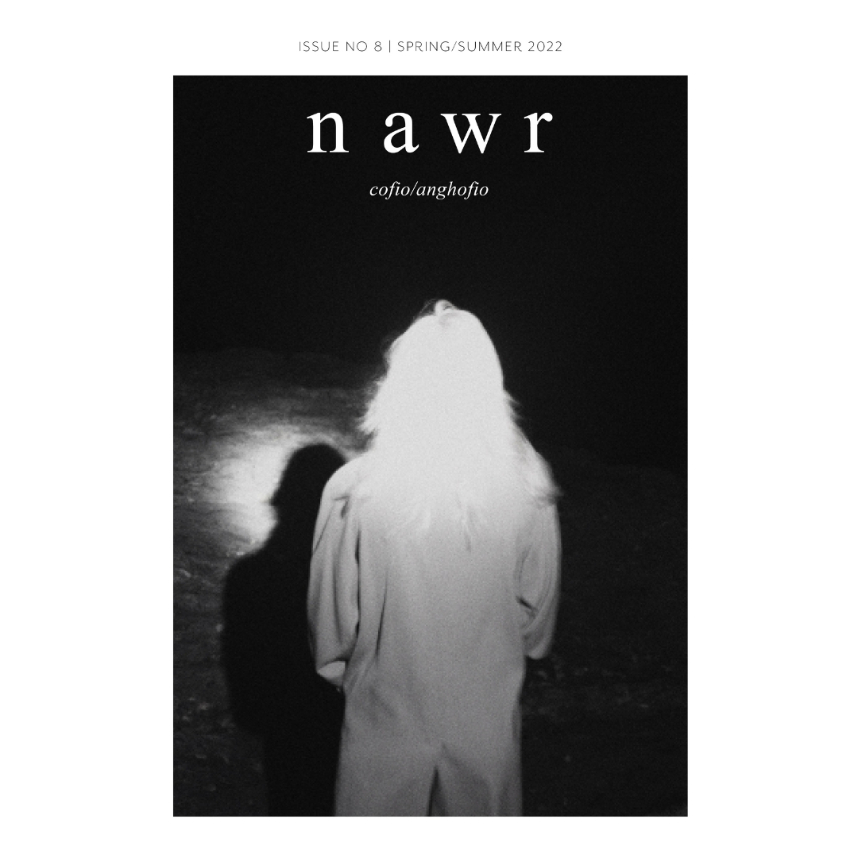
ISSUE 008: COFIO/ANGHOFIO The submissions we got in response to our theme callout: cofio/anghofio (to remember/to forget) ranged from the personal to the philosophical, from the national to the local. This one really feels like a labour of love, from the artworks and writing produced to the curation to this final issue. Our featured artist for this issue is Christopher Meredith, who kindly gave his time to speak with us earlier this year. Thanks for supporting us once again in bringing you the best new work from Welsh artists.
Released Spring/Summer 2022
Read here!
nawr 007: In This Climate?
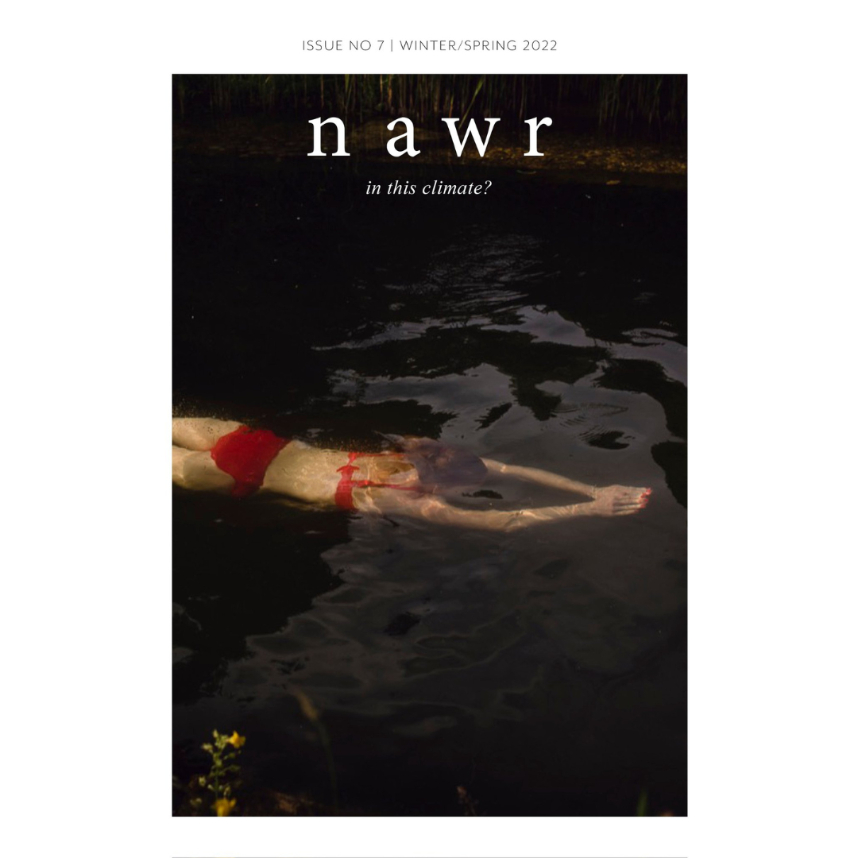
This issue of nawr is an attempt to grapple, in some way, with what it means to inhabit such a climate. The work in this issue ranges from bleak, satirical humour, in Spike Dennis’s Eat Me on page 42 to the raw, singular exposition of stuff with Kevin Dyer’s Clutter on page 34. We were delighted to be joined by Taylor Edmonds for this issue’s In Conversation With. Co-editor Martha spoke to her about her residency with Future Generations and the poetry she has created as part of her work with the commissioner. The whole interview can be found inside on pages 26 to 33. For this issue’s Beth Sy’n Digwydd?, our Culture Writer Millie responded to the theme with a creative piece that can be found on pages 46-47.
Released in Winter/Spring 2022
Read here!
nawr 006: Caru
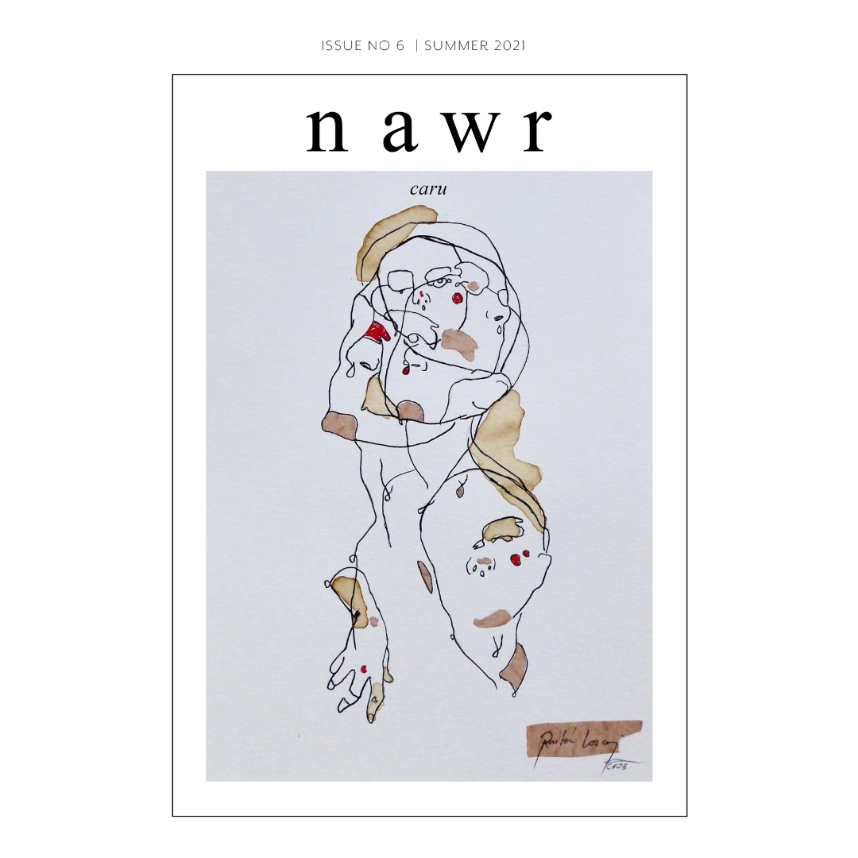
Welcome to issue 006 of nawr! This issue’s theme is ‘Caru’. It explores the concept and act of love, how love can be a political act, and how love defies language. Our Featured Artist for this issue is Efa Blosse-Mason, and you can find Anna and Jamie’s interview with her inside.
Published Summer 2021
Read here!
Tair cerdd: Triongl – Mari Elen, Roísín Sheehy, Zoë Skoulding
Tair cerdd o ‘Triongl’, pamffled o gerddi gan 15 bardd yn ymateb i ffotograffau gan Lena Jeanne.
Prynwch ‘Triongl’ yma!
Lansiad Blodeugerdd 2020
