
In 29 years of print publishing, we have seen significant change in the mechanics of producing a magazine. And while reader expectations are higher than they were in the 1990s (both in production quality and up-to-date content), it’s most definitely a less labour-intensive process than it was. AS we celebrate the magazines of Wales this PRINT weekend, it seems a good time to reflect on how the production of a physical magazine has changed for an independent publishing business like ours.
When Welsh Football magazine launched in January 1992, most contributors posted or handed their articles to the editor, either handwritten or manually typed. Their research had probably been in libraries, with no handy Google search or reference websites back then.
The editor generally typed or re-typed the articles; content was then presented to the typesetter in hard copy (in urgent situations, we resorted to fax machines). League tables were a particularly time-consuming chore.
Illustrations, such as action or ground photos, were developed at a high street photo lab and provided as prints for scanning at the printers. Proofs were printed off and sent in the post for review and approval prior to printing.
With some much transcription and manual intervention, there were more errors; proof-reading was harder, and corrections took longer to go round the same loop all over again.
These days everything’s digital right up until the final production step: almost all articles are provided to us in text files, so all that’s required is a light edit. Images are jpegs or similar from digital cameras or smartphones. Text, images and proofs (in pdf form), can be transferred between publisher and printer, and vice-versa, via the ‘cloud’.
It’s quicker, and advances in technology have made it possible to publish a quality of product that seemed way out of reach even up to the millennium – for instance, colour images were prohibitively expensive in our early days.
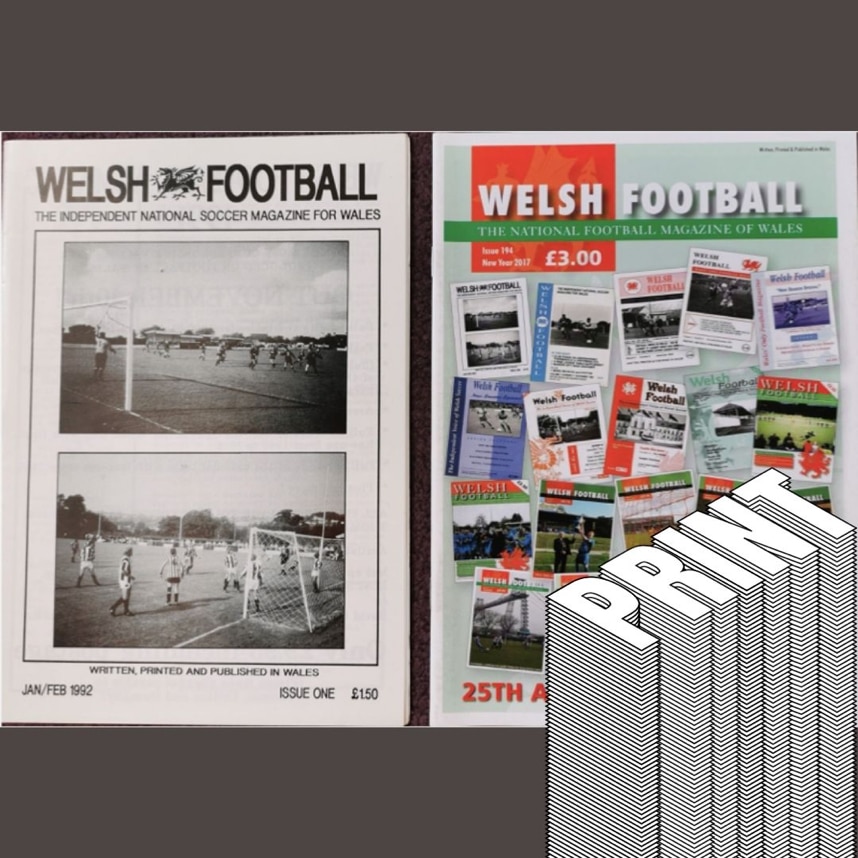
Nearly thirty years our product has changed almost beyond recognition – just compare the covers of our first and 227th editions above. That change has been continuous, sometimes gradual, but also seismic at times. Clearly the internet, email and digital design and print technologies have altered the business dramatically.
There’s no reason to believe change won’t continue – we just don’t know exactly what will be next. But rather than seeing change as a threat, as we once might have, experience shows it’s more likely to present new opportunities.