
Gormod o gŵn
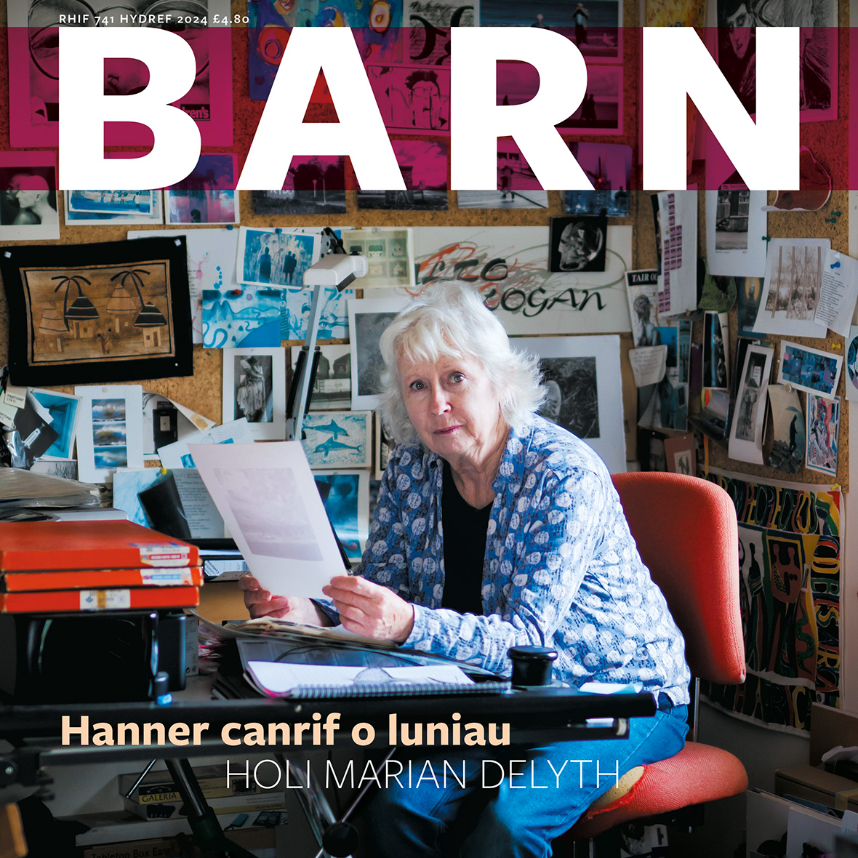
Eluned Morgan – ein Prif Weinidog anfoddog
Chwarae’r Chwedlau: Cabaret
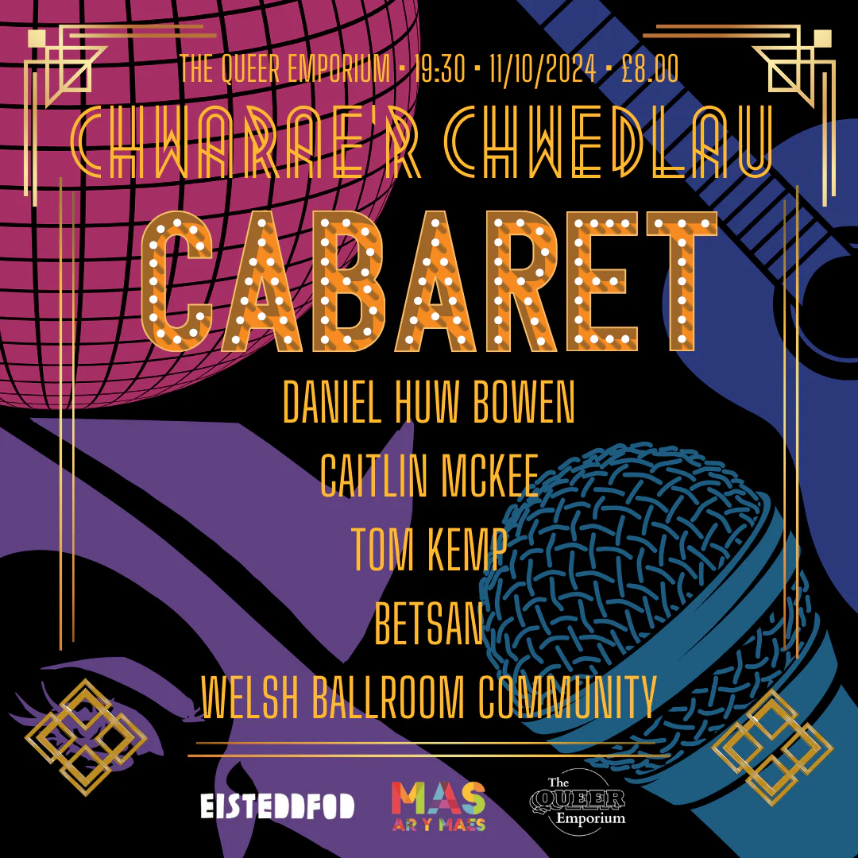
Chwarae’r Chwedlau: Cabaret returns for one last edition in 2024!
If you missed the National Eisteddfod this year, don’t worry; we’re bringing some of the wonderful acts from their queer programme, Mas ar y Maes, to The Queer Emporium!
Line-up includes Caitlin McKee, Tom Kemp, Betsan and Welsh Ballroom Community!
Please buy tickets whenever you can because the support helps, selling queer Welsh nights are difficult and it helps reduce our anxiety!
Beach of Dreams
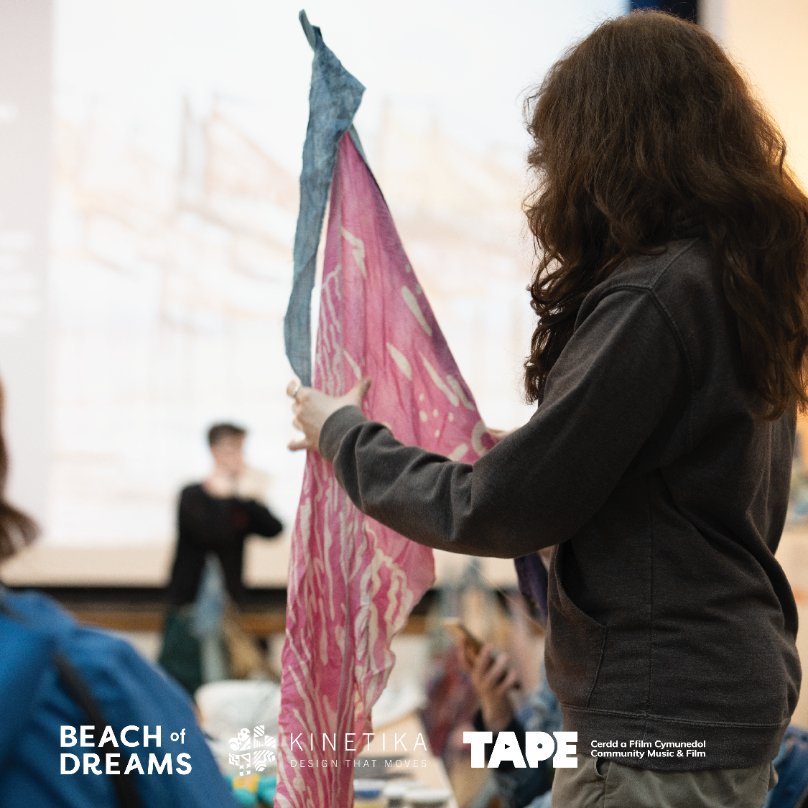
TAPE is currently part of an exciting project called Beach of Dreams; we are part of a network of organisations, artists, and communities in a shared mission to explore and respond to the pressing climate challenges facing the UK’s coastal regions.
We have been working with Jason Singh, an artist, nature beatboxer, producer, DJ, curator, facilitator and performer. He has worked with the likes of the BBC, Tate Britain, and the National Trust to name a few!
TAPE Sound will work alongside Jason to capture sound from various sources in Colwyn Bay and the surrounding areas to be part of an immersive sonic experience. He will also be looking to capture stories and perspectives from the local community.
TAPE is proud to be part of this coastal celebration alongside commissioned artists and local communities across the UK!
Join Booktober!
• Want to read more but don’t know where to start?
• Can’t find the time to read?
• Fancy an autumn challenge?
Pennod 49 – Cariad, Protest ac Ideoleg Mesur: Y Canu Rhydd
Episode 49
Love, Protest and the Ideology of Meter: the Free-Meter Poetry
We begin in this episode by considering something many of us in Wales take for granted, namely the difference between Welsh-language strict-meter poetry and free-meter poetry.
We suggested that there are social and ideological dimensions to this fundamental metrical difference. We concentrate on free-meter poetry composed during the sixteenth century and early in the following century and discussing the two kinds of free-meter verse provides an opportunity to consider big questions concerning the relationship (and difference) between the old and the new and the ‘native’ and the ‘foreign’. We note that female voices appear in this new body of poetry and we look at a poem which protests passionately against the deforestation of the valleys of South Wales (and which puts the blame on ‘the English’ for this ecological destruction).
Dominatrix
Pennod Arbennig: Ysgrifennu am ryfel yn Gymraeg . . . yn America!
Special Episode: Writing about war in Welsh . . . in America!
This is an episode which was recorded before a live audience in Storyville Books, Pontypridd during the 2024 National Eisteddfod.
As he had just finished reading it, Richard Wyn Jones wanted to discuss his co-presenter’s latest book, Dros Gyfiawnder a Rhyddid [‘For Justice and Freedom’]. It’s a volume which relates the history of a particular Welsh community during the American Civil War, concentrating in narrative fashion on the men in the army while also considering their relationship with their home community in Wisconsin.
This story is told through the original Welsh words of these Welsh Americans, and according to Richard Wyn Jones, ‘it’s amazing’ that it’s possible to present so much of this exiting history in this manner. As a number of the story’s main characters were born in the United States and raised speaking Welsh as their first language, it’s also an interesting chapter in the social history of the Old Language. And as Richard Wyn Jones notes, the way in which they write about war in Welsh connects this material to a great deal of medieval Welsh literature which was discussed in the first series of this podcast.
Buy ‘Dros Gyfiawnder a Rhyddid HERE
Issue 12: Submissions Open Now!
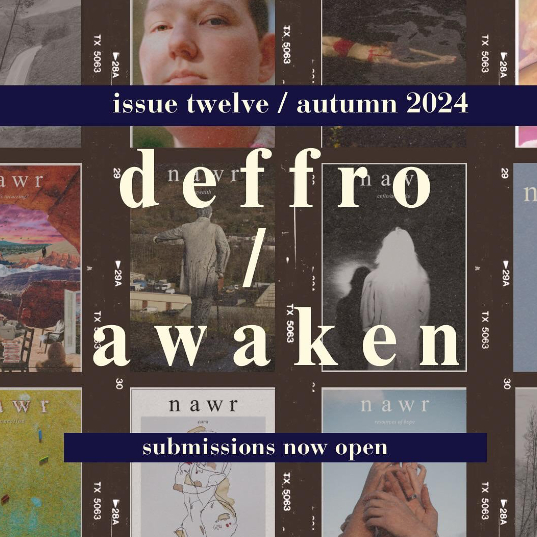
nawr is awaking from a slumber; opening our eyes and looking around to take stock of where we now stand. This new, first print issue to feature the work of our contributors , is a fresh start, but also is the culmination of those dreams we have kept note of in the night. To ‘awaken’ […]
Pennod 48 – Coblyn o Ddadl: Ymryson Edmwnd Prys a Wiliam Cynwal
One Heck of an Argument: The Bardic Debate between Edmwnd Prys and Wiliam Cynwal
The ymryson held between Edmwnd Prys and Wiliam Cynwal in the 1580s is the longest bardic debate in the entire history of the Welsh language. It contains 53 poems in the strict-metre cywydd form and more than 4,000 lines, and it was only the death of the old bard Wiliam Cynwl which brought the contention to an end. We discuss this amazing ymryson in this episode, explaining its origin before examining the essence of the argument.
Edmwnd Prys received his education in Cambridge while Wiliam Cynwal was a traditional bard who graduated in an eisteddfod, and we see that two kind of learning are contending, one new and the other old. It’s possible to see this as a struggle over the future of Welsh poetry. Yet despite the esoteric subjects and cultural themes woven through these debate poems, the two also engage in personal insults at times, with Edmwnd Prys calling Wiliam Cynwal old and the bard suggesting that Prys is fat.
Cynrychioli Cymru | Representing Wales 2025-26

Apply now for the fifth round of Representing Wales!
Representing Wales is a 12-month programme which provides development opportunities for writers currently underrepresented in the literature sector in Wales. Individuals from under-represented backgrounds who wish to develop their creative writing skills and their professional careers as writers are invited to apply. The programme will run from April 2025 to March 2026.
Over the course of the year, Literature Wales will support a cohort of 14 writers by offering the following:
-
A bursary of £3,000
- A travel and ticket fund
- An intense training programme on craft and on professional career development featuring world-renowned writers as tutors and guest speakers including online writing rooms and writing masterclasses, one of which will be a residential weekend at Tŷ Newydd Writing Centre
- A personal mentor
- Regular opportunities for the cohort to share creative work and feedback
- Networking opportunities throughout the year, online and in person
- Dedicated support from Literature Wales including advice, signposting and identifying opportunities
- A bespoke aftercare programme
Closing Date: 12.00pm midday, Thursday 10 October 2024.
Informal Drop-in Sessions
Literature Wales staff will be available to answer your questions during two informal drop-in sessions between 6.00 pm -7.00 pm on Thursday 29 August and Tuesday 10 September 2024. Click on the dates highlighted to book your free ticket through Eventbrite.
Pennod 47 – ‘Swydd y Beirdd sydd heb Urddas’: Beirdd, Dyneiddwyr a Karl Marx
The Job of the Bards is without Dignity’: Bards, Humanists and Karl Marx
This episode concentrates on the factors which were undermining the Welsh bardic order during the second half of the sixteenth century. We discuss three challenges specifically, beginning with the fact that the pool of patronage was shrinking and making it more difficult for a bard to earn a living by composing praise poetry.
We also consider the challenge posed by the ideas and attitudes of the humanists and the struggle between two kinds of learning in the period.
Finally, we note the way in which the new technology of the printing press was presenting a different kind of challenge.
You’ll hear an anecdote about an uchelwr who showed his contempt for a praise poet in a memorable manner and there is ample opportunity to explore a Marxist analysis of these changes in the course of our literature’s history.
QueerAF Partnership: Queering cognition and the rise of the neuroqueer

More and more people are coming to terms with not only their queer identities, but also their neurodiversity – and for many of us, both. I first came across the term “neuroqueer” in an article about a local writer and it captured my imagination. It is a framework that intersects the fields of […]
Yn Fyw o Babell Lên Eisteddfod Rhondda Cynon Taf
Digwyddiadau Llenyddol Eisteddfod Genedlaethol Rhondda Cynon Taf 2024
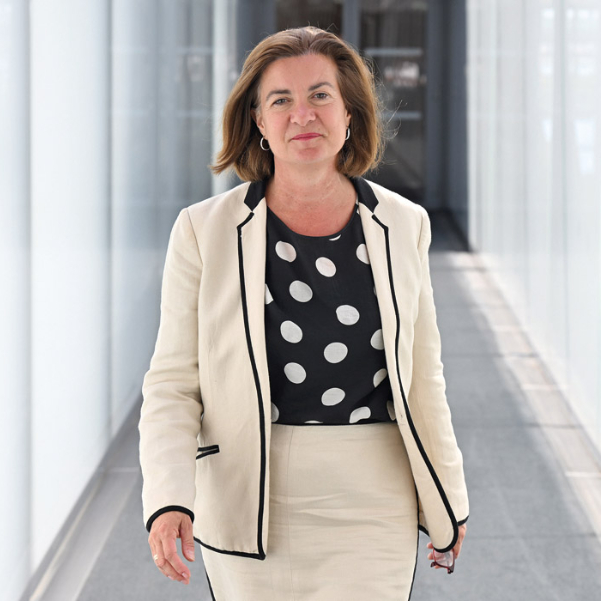
Setting the Record Straight: Capturing the Voices of Women in Welsh Politics
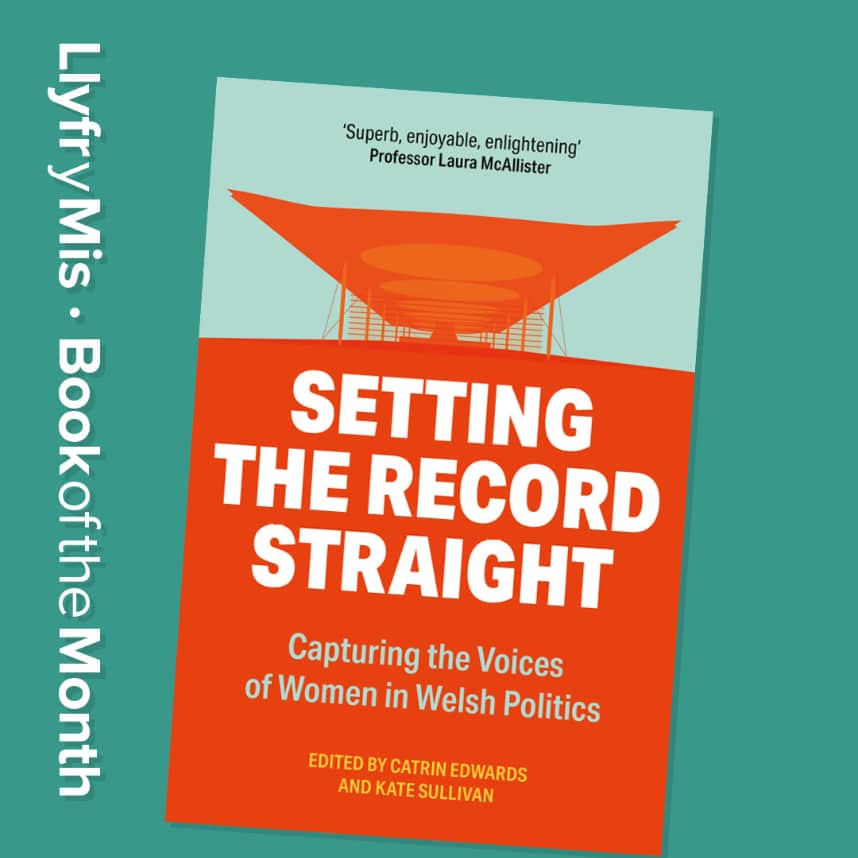
Setting the Record Straight: Capturing the Voices of Women in Welsh Politics edited by Catrin Edwards and Kate Sullivan is our July Book of the Month.
Pennod 46 – Llenyddiaeth Gymraeg yr Eidal a Gwasg Anghyfreithlon yng Nghymru
Italy’s Welsh-language Literature and an Illegal Printing Press in Wales
As we’ve been looking recently at the relationship between humanism, Protestantism and the Welsh language, here’s an opportunity to look at the other side of the Reformation’s coin.
In this episode we discuss some of the Welsh-language Catholic literature of the sixteenth century, concentrating on two extraordinary friends, Morris Clynnog and Gruffudd Robert. These two men from north-west Wales had to flee to the continent because of there religion when the Protestant queen Elizabeth I came to the throne.
Publishing Welsh books in Milan, fighting between the Welsh and the English in Rome’s English College, producing a Welsh-language Catholic book on an illegal printing press in a cave in Wales – these Welsh exiles were connected with some of the most amazing chapters in the history of the Welsh language.
Ailddyfeisio’r Prif Gymeriad | Reinventing the Protagonist

Literature Wales, in partnership with Disability Arts Cymru, is once more delighted to invite Deaf and/or Disabled and/or Neurodiverse writers based in Wales to apply for a space on our Reinventing the Protagonist virtual creative writing course for winter 2024 – spring 2025.
Deadline to apply: 12.00pm, Thursday 29 August
Course dates: 6, 13, 20, 27 November 2024, with one-to-one tutorials and final sharing session taking place in January and February 2025 . A mutually convenient time will be decided upon with the selected writers, closer to the course dates.
Informal drop-in sessions: Wednesday 24 July 1.00pm-2.00pm, Tuesday 6 August, 1.00pm-2.00pm.
Doctor Pwy?
Neil Collins: International Velvet book launch (free)
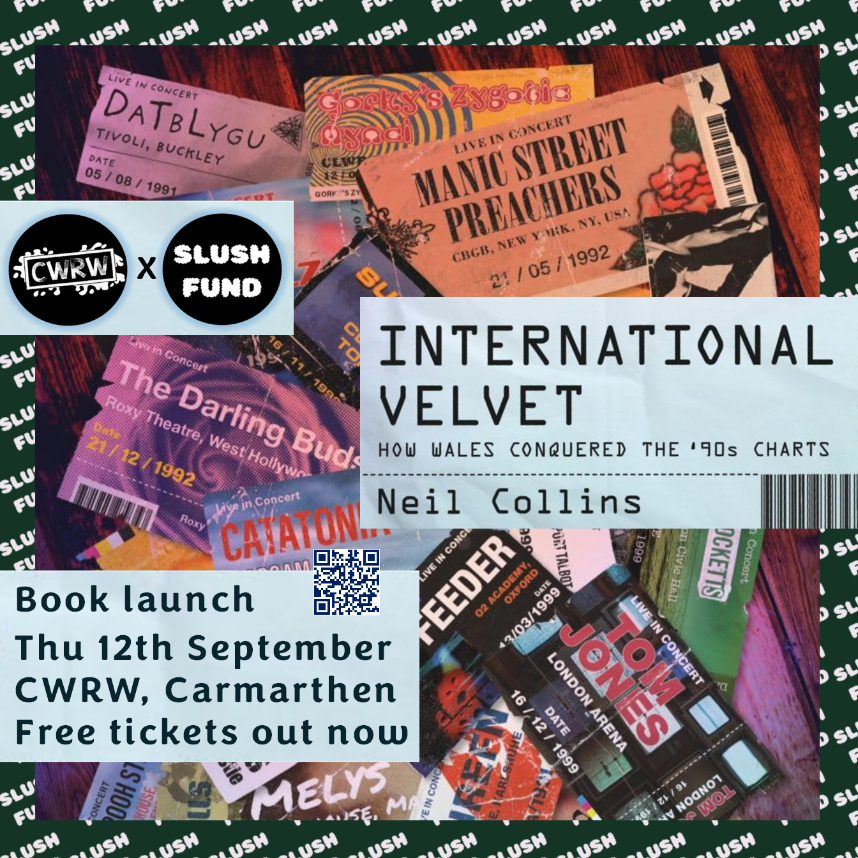
Thursday 12 September 2024
We’re excited to be hosting Neil Collins in conversation this September, marking the publication of his new book on Welsh music, International Velvet: How Wales Conquered the ’90s Charts. If the story of Wales in the 1990s was a movie plot, it would all seem so far-fetched. Thankfully, it was all true…
This is a free, ticketed event featuring Neil in conversation about the book, followed by an opportunity to purchase the book itself. Neil is a Cardiff-based writer and known as co-host of Welsh Music Podcast. He is the author of the Liverpool FC books Make Us Dream and Red Mist.
The 1970s and 1980s were a bleak time for much of Wales: the closure of steelworks and mines led to mass unemployment while the country’s culture and language was disregarded by politicians and the music industry alike. Some bands even travelled across the Severn Bridge to make sure their records arrived at the London offices sporting an English postmark.
The 1990s changed everything. Wales was already known for Tom Jones, Shirley Bassey and Male Voice Choirs. But suddenly bands such as Catatonia, Manic Street Preachers, Stereophonics, Super Furry Animals, 60ft Dolls and Gorki’s Zygotic Mynci exploded into the charts and showed the UK population the breadth of what this small but inherently musical nation could offer. Meanwhile, S4C – the Welsh-language television channel – became increasingly prominent and a new Welsh Assembly was on the horizon.
Featuring fresh analysis and new interviews, International Velvet charts the UK in a decade where ‘Cool Cymru’ won over the masses and shows how it inspired the still-vibrant Welsh music scene into the 21st century and beyond. This summer marks 25 years since the peak of the Cool Cymru scene including No 1 albums, huge gigs and the paid finale to the 90s with Manic Millennium. Other key moments discussed include the Stereophonics 1999 gig at Morfa Stadium, the Manics’ landmark 1994 album The Holy Bible and their Glastonbury headline set five years later and, not to be outdone, Tom Jones’ 1999 renaissance with Reload!
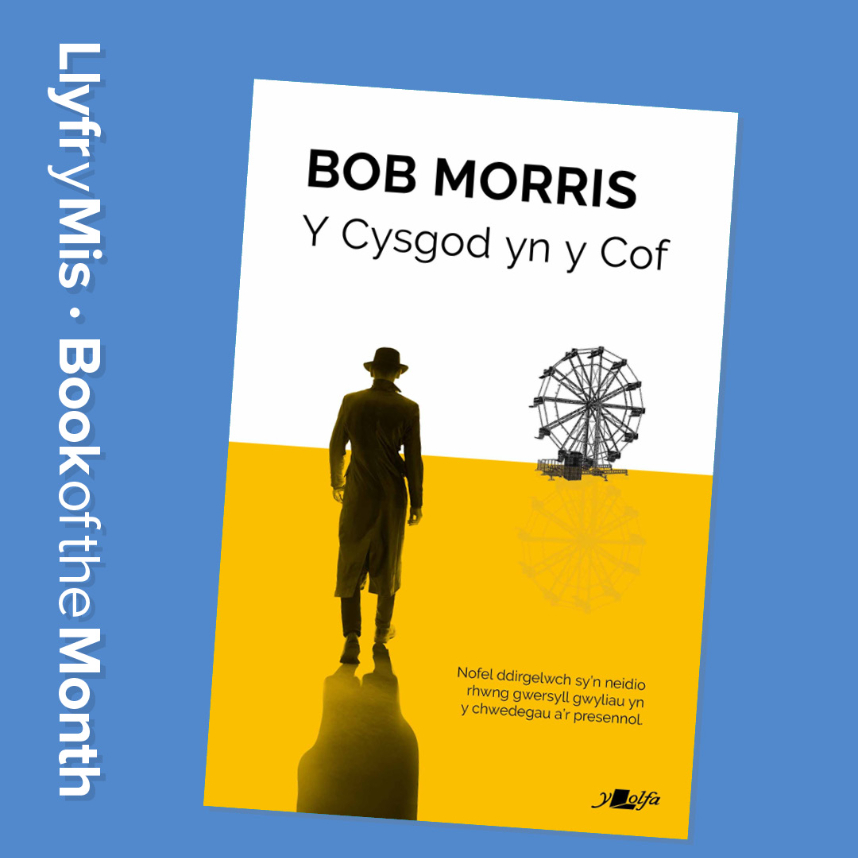
Y Cysgod yn y Cof gan Bob Morris
Pennod 45 – ‘Cymraeg iawn i’r Cymry i gyd’: Beibl 1588
‘Proper Welsh for all of the Welsh People’: The 1588 Bible
In this chapter we discuss William Morgan’s amazing achievement, the 1588 Welsh Bible. Not ignoring its obvious religious significance, we concentrate on the significance of this milestone from the point of view of the history of the Welsh language and its literature.
One of the things which makes Welsh such an incredibly rich language is the variety of registers available to authors writing in Welsh, and it was the 1588 Bible above all else which ensured that it has an enduring elevated literary register. This linguistic unity has proven to be extremely important in the context of Welsh identity as well. We all get a chance to note the reactions of some contemporary Welsh people, include a poem of praise by the bard Rhys Cain which draws attention in a memorable fashion to William Morgan’s linguistic feat.
Cultural Identity in the Black British Diaspora: Navigating Dual Heritage Through Music
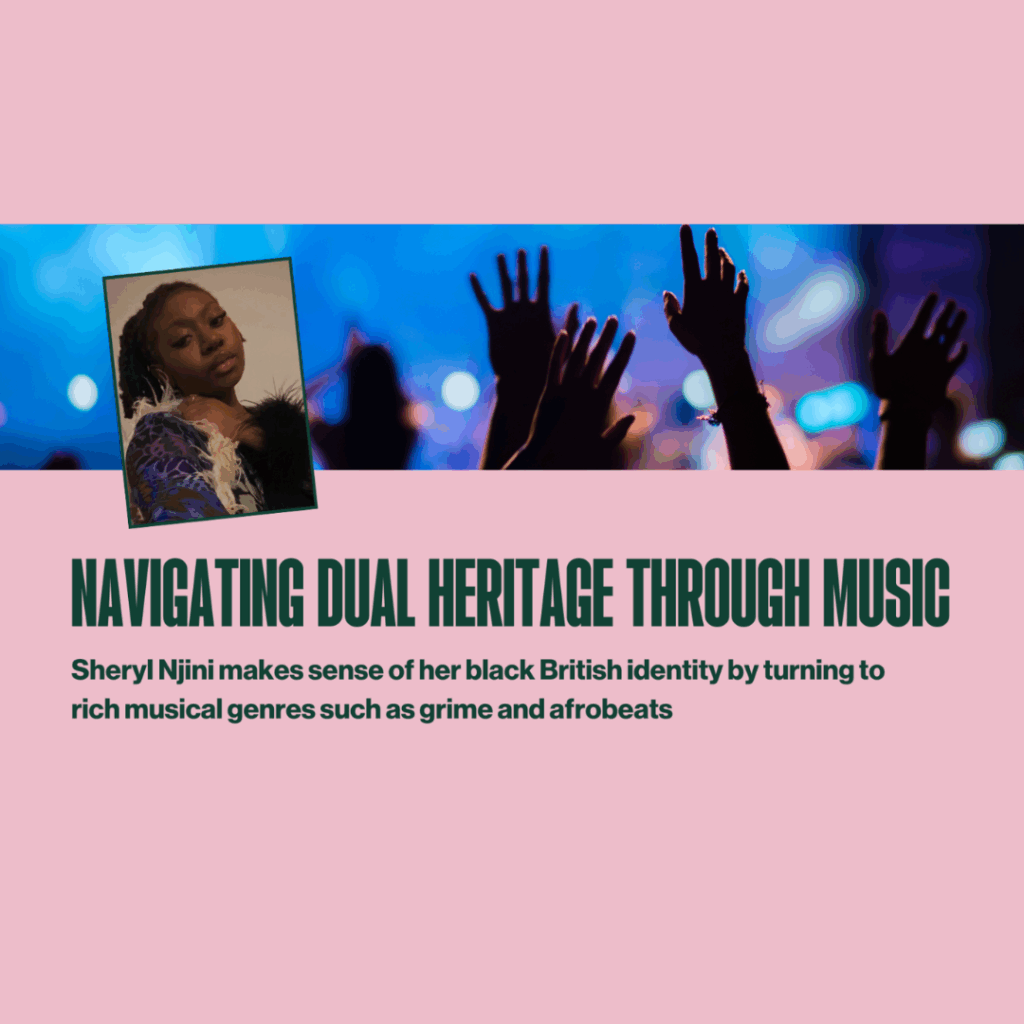
Sheryl Njini makes sense of her black British identity by turning to rich musical genres such as grime and afrobeats
Recruiting for inclusion: a guide for media organisations

To help make the media sector more accessible, Marine Furet has put together a comprehensive guide for recruiters.
We have delivered this guide in partnership with the Institute of Welsh Affairs. Visit their online magazine the welsh agenda and follow them on X, Instagram, LinkedIn and Facebook. You can follow Marine on X.
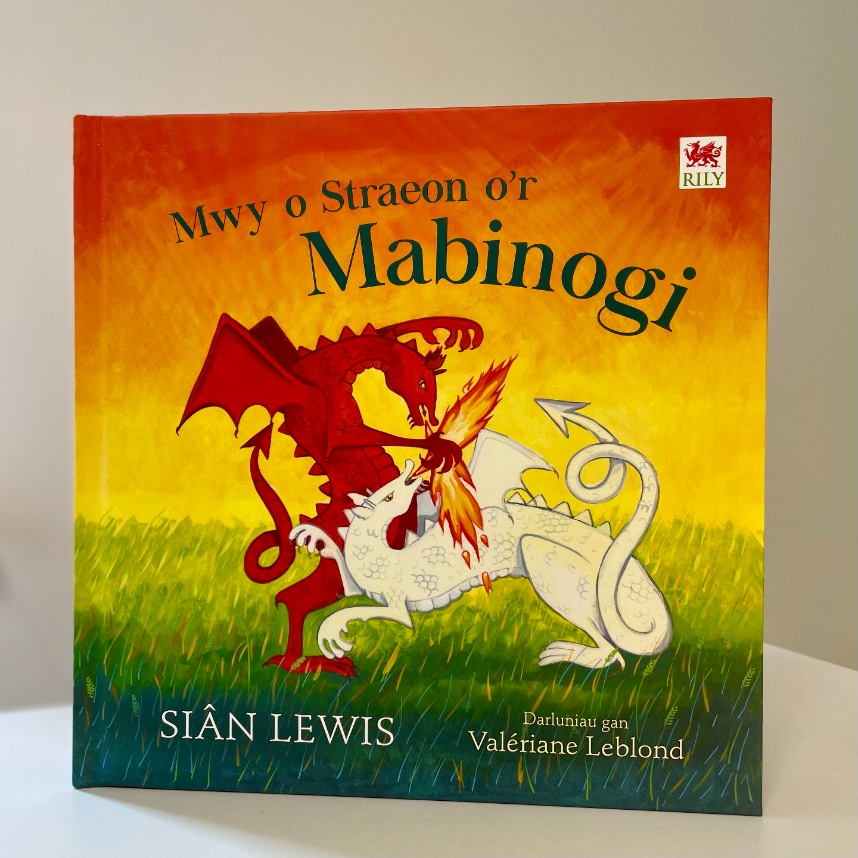
Mwy o Straeon o’r Mabinogi gan Siân Lewis
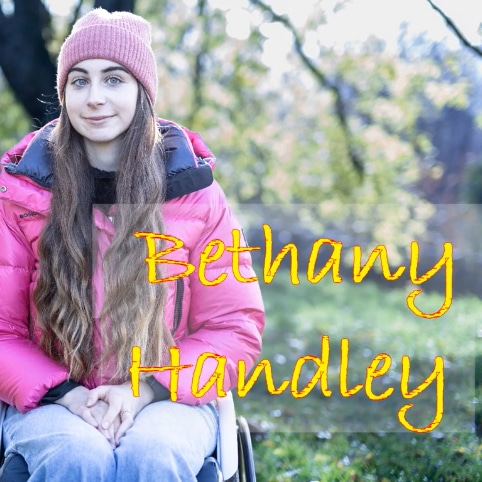
Seren Esgynnol/Rising Star: featuring Bethany Handley
Seren Esgynnol/Rising Star: featuring Phil Jones
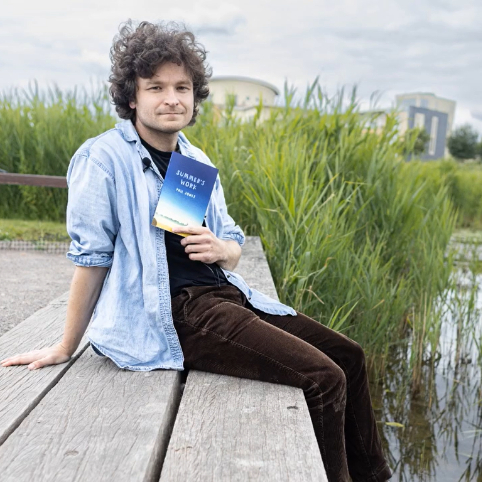
Seren Esgynnol/Rising Star is a focus on early career talents from the world of poetry. Phil Jones is a poet, writer, and musician. His debut pamphlet “Summer’s Work” has been published by Green Bottle Press. His band plays under the name Dusty Cut.
Seren Esgynnol/Rising Star: featuring Laura Sheldon
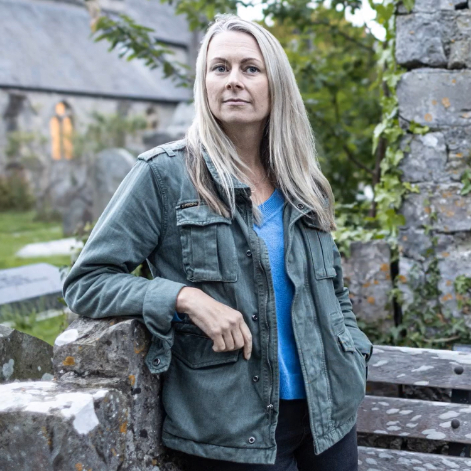
Seren Esgynnol/Rising Star is a focus on early career talents from the world of poetry. Laura Sheldon is a spoken-word performer, poet and writer from Llantwit Major. She is also one of the organisers of the These3Streams arts festival (https://these3streams.uk/). As a children’s author, she has published several titles with Firefly Press and Gomer Press.
Issue Three
December 2023
Issue Four
Editorial A Sequence of Poems and Images by John Kinsella: Out of the Forest Killzone and into the Corn Crop Ambush Two Poems about Foxes: Corinna Board, ‘My uncle brings back a fox tail from the fields’ & Amanda Rackstraw, ‘Vixen’ Two Poems for Gaza: Abeer Ameer, ‘At Least’ & Naomi Foyle, […]
Culhwch and Olwen by Catherine Fisher
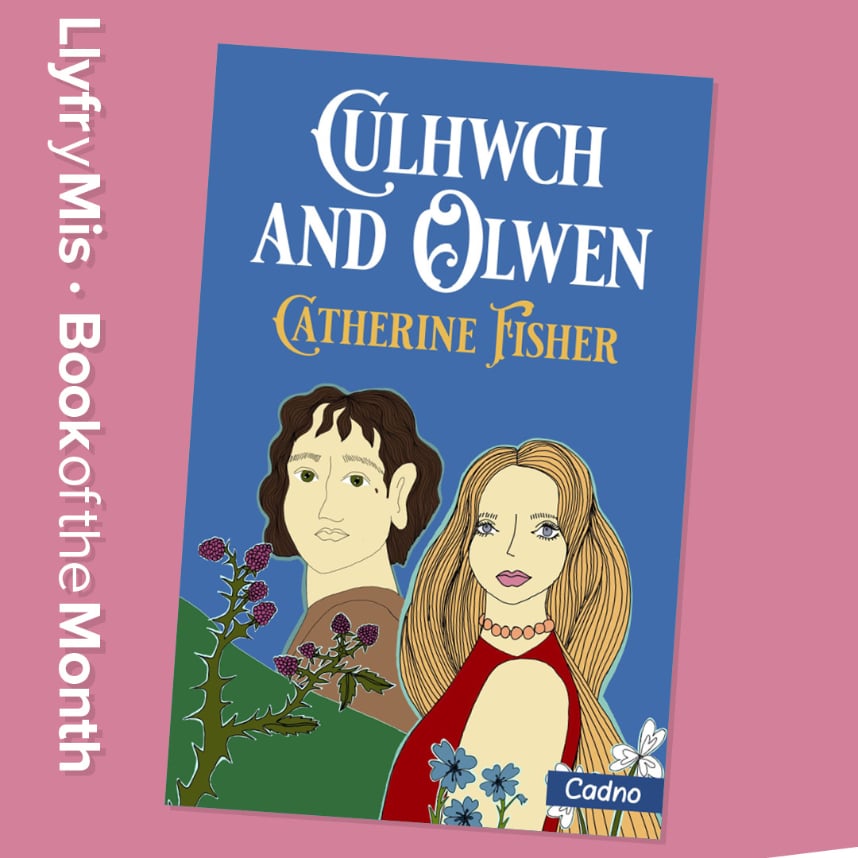
Read an extract.
Creative Non-Fiction – Sarn Helen, Tom Bullough (Granta Publications)

Tom Bullough grew up on a hill farm in Radnorshire, Wales, and lives in Bannau Brycheiniog with his children. He is the author of four novels – A (Sort Of Books), The Claude Glass (Sort Of Books), Konstantin (Penguin Books Ltd), and Addlands (Granta). Sarn Helen is his first work of nonfiction. Tom is a climate activist and a freelance tutor in creative writing, and runs regular courses on climate.
Sarn Helen is illustrated by Jackie Morris.
Pennod 44 – Yr Hen a’r Newydd, Y Gwir a’r Gau: Rhagymadrodd Richard Davies
The Old and the New, The True and the False: Richard Davies’ Introduction
‘I am really floored by this’ is one of the things which Richard Wyn Jones says after hearing about Bishop Richard Davies’ amazing introduction to the Welsh New Testament published in 1567. Here is a lively literary piece which is incredibly interesting – and incredibly significant – in terms of Welsh identity in the period. It’s also a piece of Protestant propaganda which turns the truth inside out by portraying the Ancient Britons as some kind of proto-Protestants and claiming that the Protestant Reformation was returning their old faith to the Welsh rather than presenting them with a new one. But it also presents a kernel of truth of some kind while discussing the old wars between Wales and England, and it’s extraordinary to see Richard Davies discussing the English crown in such a negative manner, considering the fact that he was serving that crown as a bishop in the Church of England!
People’s Choice – In Orbit, Glyn Edwards (Seren)

Glyn Edwards is a PhD researcher in ecopoetry at Bangor University. His first poetry collection, Vertebrae, was published by the Lonely Press. He edits Modron, a journal for environmental writing, and the Wild Words feature for North Wales Wildlife Trust. He is a former winner and trustee of the Terry Hetherington Award for Welsh young writers, and works as a teacher in North Wales.
I Think We’re Alone Now, Abigail Parry (Bloodaxe Books)
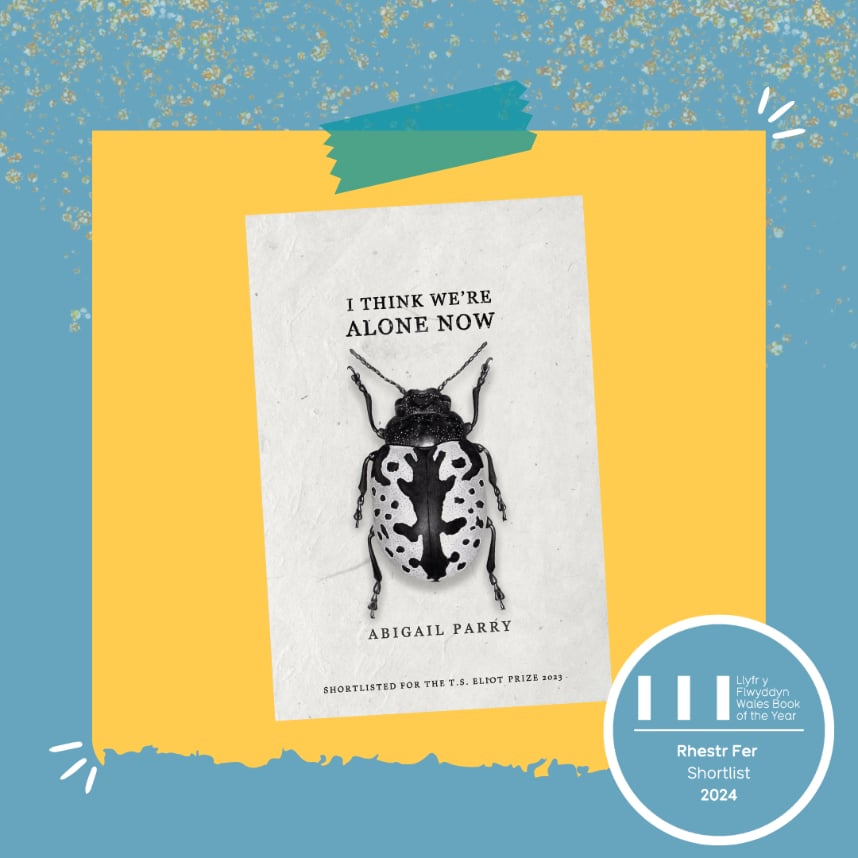
Abigail Parry spent several years as a toymaker before completing a PhD on wordplay. She is currently a lecturer in creative writing at Cardiff University. Her poems have been set to music, translated into Spanish, Serbian and Japanese, and widely published in journals and anthologies. She has won several prizes and awards for her work, including the Ballymaloe Prize and an Eric Gregory Award. Her first collection, Jinx (Bloodaxe Books), was named a Book of the Year in The New Statesman, The Telegraph and Morning Star. I Think We’re Alone Now is also shortlisted for the T.S. Eliot Prize 2023.
Poetry – Cowboy, Kandace Siobhan Walker (CHEERIO Publishing)
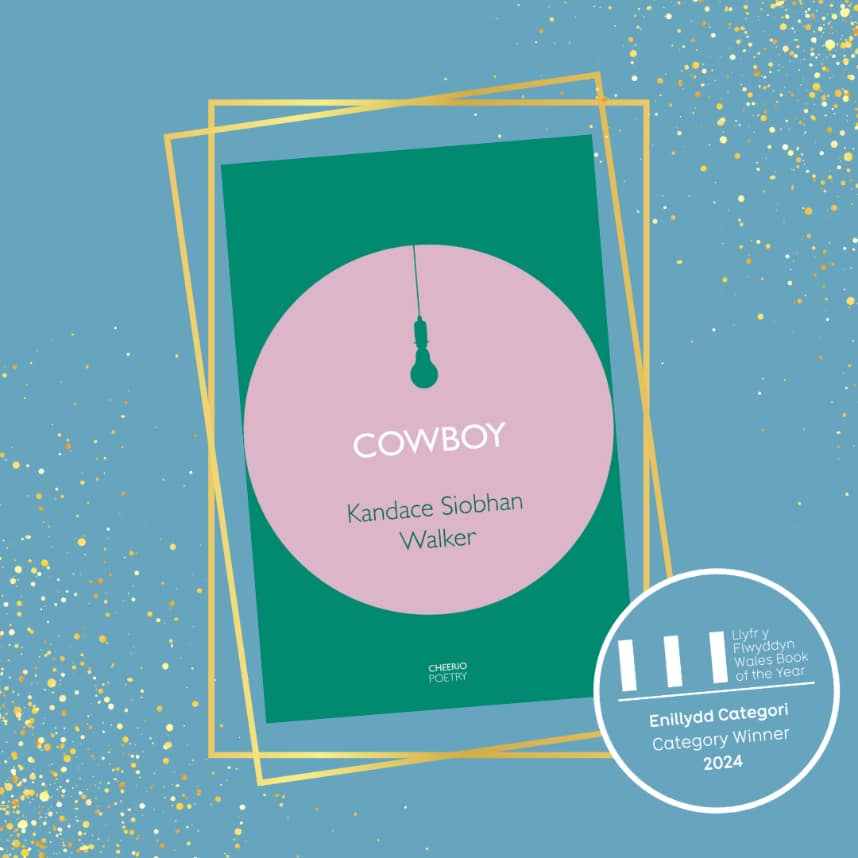
Kandace Siobhan Walker, a writer and artist of Jamaican-Canadian, Saltwater Geechee and Welsh heritage, is also the author of Kaleido (Bad Betty Press). In 2021, she was the recipient of an Eric Gregory Award and the winner of The White Review Poet’s Prize. In 2019, she won the Guardian 4th Estate BAME Short Story Prize.
Seremoni Llyfr y Flwyddyn | Wales Book of Year Ceremony

The event will start streaming here from 7.10pm onwards.
The Wales Book of the Year Ceremony will be streaming live from Galeri, Caernarfon on AM! Join us on July 4th for a thrilling evening to celebrate the achievements of talented Welsh writers!
Comedian and presenter Tudur Owen will be presenting the evening as the winners of the Poetry, Fiction, Creative Non-Fiction and Children and Young People categories will be revealed, as well announcing the winners of the People’s Choice award and the Overall Winner, claiming the title of Wales Book of the Year 2024.
Wales Book of the Year is our national literary awards which celebrate the achievements of Welsh writers who excel in diverse literary forms in both Welsh and English. There are twelve prizes in total, with a total of £14,000 of prizes awarded to the successful authors.
Llyfrau’r Haf | Summer Reads
Looking for new book to read this summer? Browse our new Summer Reads catalogue.
All books available now from your local bookshop.
QueerAF Partnership: Considering disabled accessibility is vital for rural LGBTQIA+ community members to take part
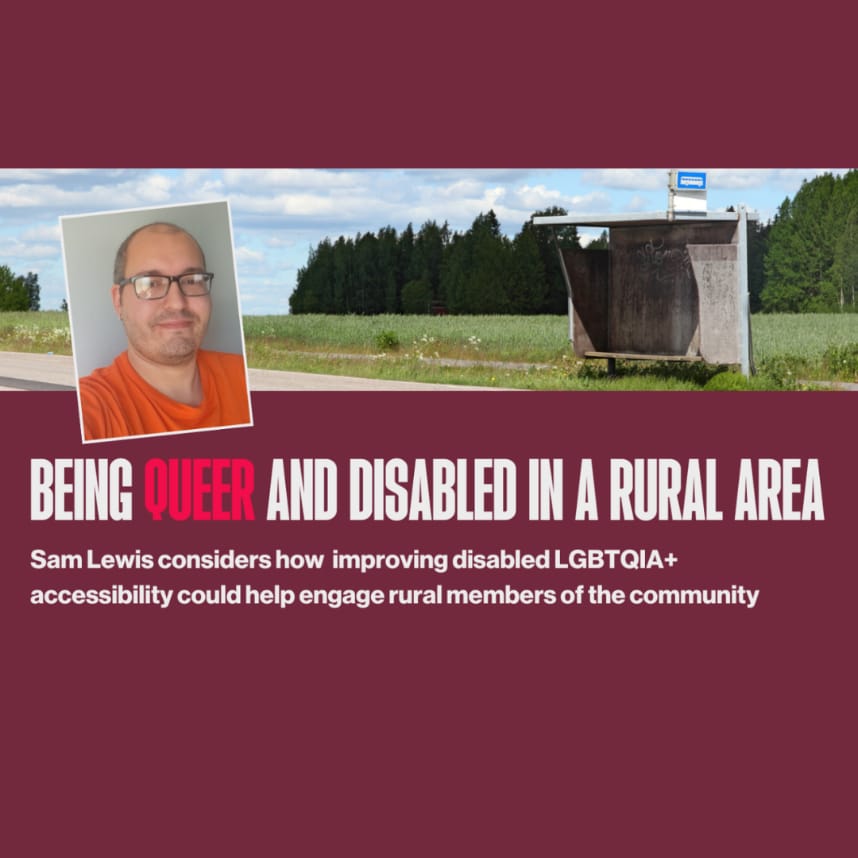
This article is part of a QueerAF and Inclusive Journalism Cymru partnership dedicated to uplifting Welsh LGBTQIA+ emerging and marginalised journalists.
You can follow Sam on X and LinkedIn.
Sign up to QueerAF’s weekly newsletter or become a member.
Brilliant Black British History, Atinuke (Bloomsbury Children’s Books)

Atinuke was born in Nigeria and moved to the UK when she was a child. Her first love was performing stories and she now pours her creative talents into writing children’s books. Many of her books, such as Africa, Amazing Africa (Walker), which won the 2020 School Library Association’s Information Book Award, are inspired by the beautiful continent of Africa.
Brilliant Black British History is illustrated by Kingsley Nebechi.
Children & Young People – Skrimsli, Nicola Davies (Firefly Press)
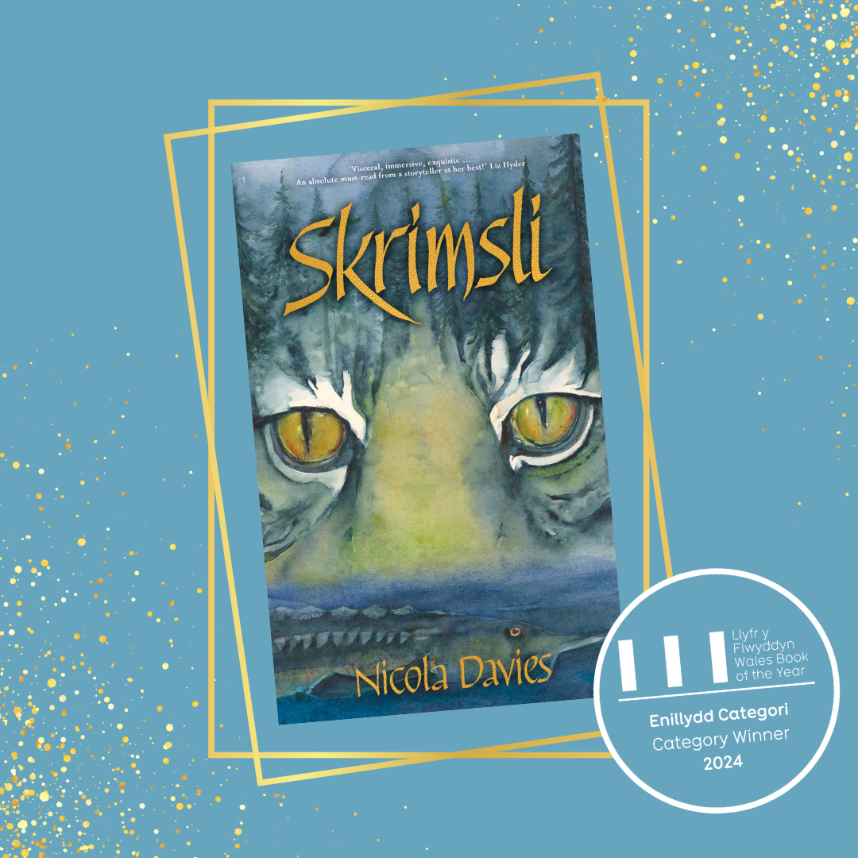
Nicola Davies writes children’s non fiction and fiction about the natural world and our relationship with it. Also a zoologist, Nicola was one of the original presenters of the BBC children’s wildlife programme The Really Wild Show. She has been shortlisted for the Branford Boase and the Blue Peter Book Awards. Nicola lives in West Wales.
Skrimsli is illustrated by Jackie Morris.
Where the River Takes Us, Lesley Parr (Bloomsbury Children’s Books)
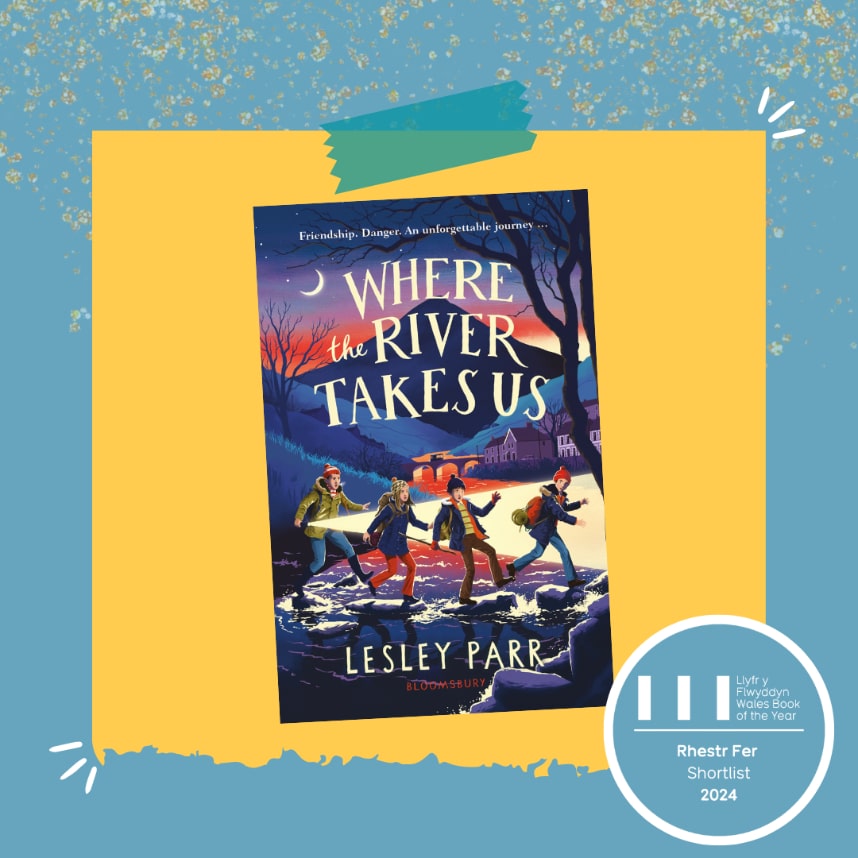
Lesley Parr is the author of three novels for children. Her debut, The Valley of Lost Secrets (Bloomsbury), was published in 2021 and was both a Waterstones Book of the Month and longlisted for the CILIP Carnegie Medal. It won the Tir na n-Og Award, the King’s School Chester Book Award and the North Somerset Teachers’ Book Award, as well as being shortlisted for many others. Lesley’s grew up in South Wales and now lives in England with her husband. She shares her time between writing stories, teaching at a primary school and tutoring adults. Apart from books, rugby union is her favourite thing in the world, especially if Wales is winning.
Y Nendyrau, Seran Dolma (Gwasg y Bwthyn)
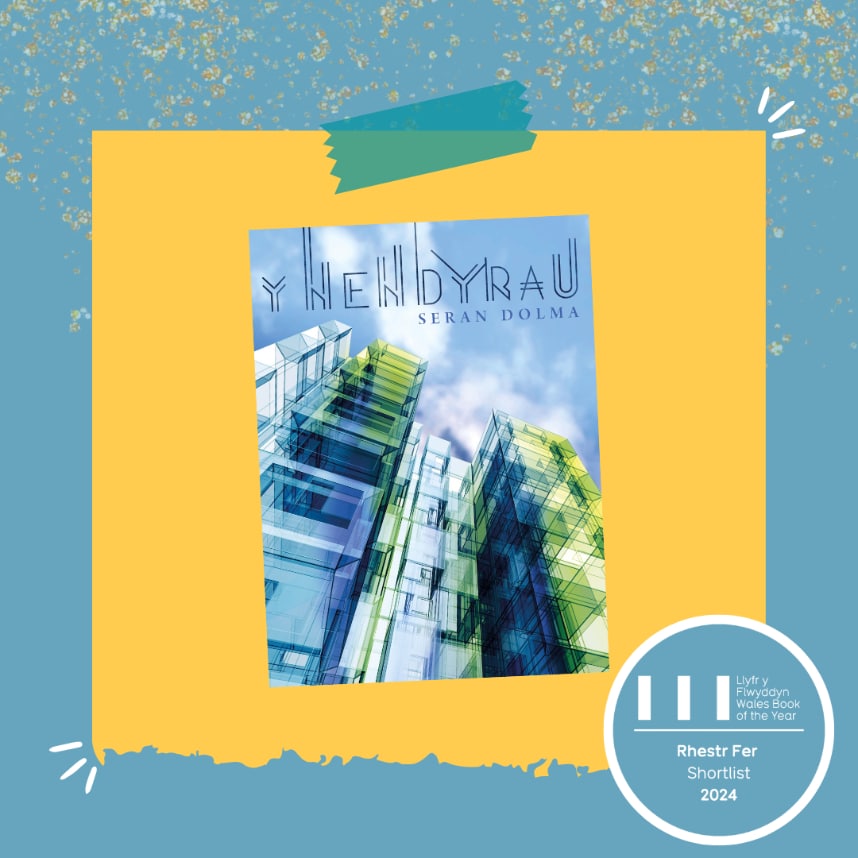
Mae Seran Dolma yn byw ym Mhenrhyndeudraeth gyda’i phartner a’u dau fab ac yn gweithio fel Curadur Profiadau ym Mhlas Brondanw, Llanfrothen. Yn ei bywyd blaenorol, bu’n gweithio ym maes yr amgylchedd, ac mae’r diddordeb hwn yn parhau yn ei gwaith ysgrifennu. Hon yw ei nofel gyntaf.
Plant a Phobl Ifanc – Jac a’r Angel, Daf James (Y Lolfa)
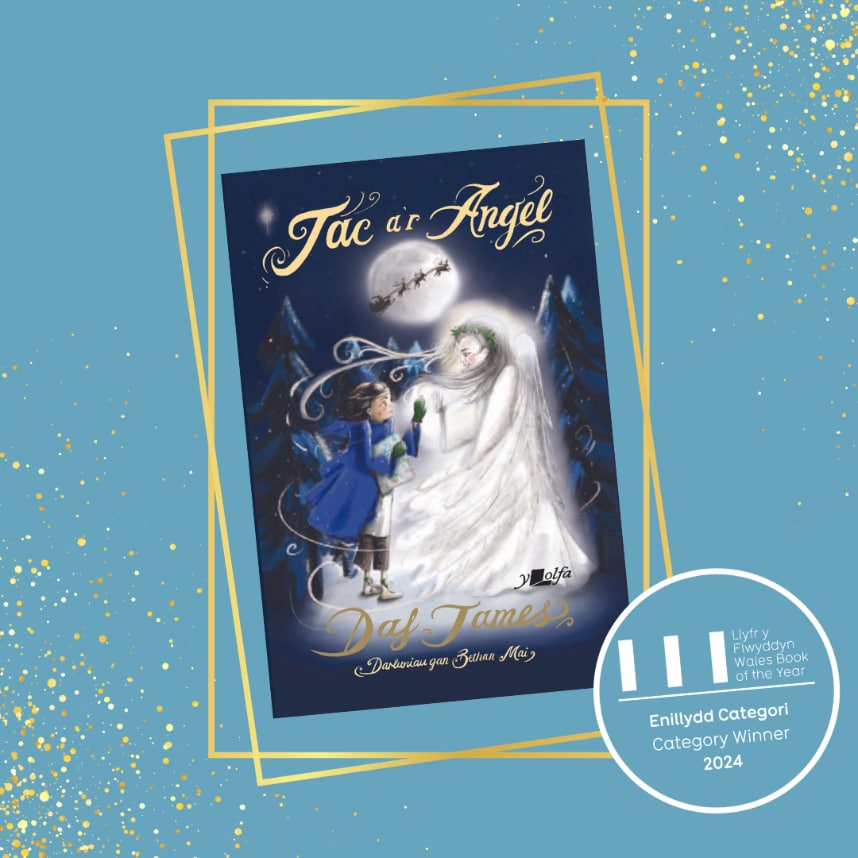
Mae Daf James yn un o ddramodwyr, sgriptwyr, cyfansoddwyr a pherfformwyr amlycaf Cymru. Yn ogystal â phortreadu’r cymeriad cerddorol ‘Sue’, Daf yw awdur y dramâu arloesol Llwyth a Tylwyth. Bydd ei gyfres ddrama Lost Boys & Fairies yn cael ei darlledu ar BBC1 yn 2024. Mae’n byw yng Nghaerdydd gyda’i ŵr a’u tri phlentyn. Jac a’r Angel yw ei nofel gyntaf.
Mae Jac a’r Angel yn cynnwys darluniau gan Bethan Mai.
Astronot yn yr Atig, Megan Angharad Hunter (Y Lolfa)
Mae Megan Angharad Hunter yn awdur a sgriptiwr o Benygroes, Dyffryn Nantlle ond mae bellach yn byw yng Nghaerdydd. Ers graddio yn 2022, mae hi wedi bod yn gweithio fel awdur a golygydd llyfrau plant. Cyhoeddwyd tu ôl i’r awyr (Y Lolfa) – ei nofel gyntaf yn 2020 – aeth ymlaen i ennill Prif Wobr Llyfr y Flwyddyn 2021, a chyhoeddwyd Cat (Y Lolfa) fel rhan o gyfres arobryn Y Pump yn 2021. Yn 2023 cafodd gyfle i gymryd rhan mewn gŵyl lenyddol yn India ac yn Ffair Lyfrau Llundain. Astronot yn yr Atig yw ei nofel gyntaf i blant.
Pennod 43 – Testament Newydd 1567
In this episode we begin focusing on a subject which is of the greatest importance to the history of the Old Language and its literature – publishing the Bible in Welsh.
We begin this time with the Welsh translation of the New Testament published in 1567, explaining that one needs to understand the political context as well as the religious context in order to understand this milestone development. Although some like to see the Welsh Bible as ‘compensation’ given by Elizabeth for that which her father, Henry VIII, did to the Welsh language with the ‘Acts of Union’, we argue the opposite and suggest that both developments stemmed from the same political desire to centralize power and ensure uniformity in the realm. It’s interesting to note that political and religious uniformity were important to Elizabeth, not linguistic uniformity.
We discuss the contribution of Bishop Richard Davies and raise a topic which will also get attention in the next episode – the pseudo-history which Saunders Lewis called ‘The Protestant Church’s propaganda’.